


Help ?

IGMIN: あなたがここにいてくれて嬉しいです. お願いクリック '新しいクエリを作成してください' 当ウェブサイトへの初めてのご訪問で、さらに情報が必要な場合は.

すでに私たちのネットワークのメンバーで、すでに提出した質問に関する進展を追跡する必要がある場合は, クリック '私のクエリに連れて行ってください.'

Search

Organised by  IgMin Fevicon

Regional sites

Browse by Subjects

Welcome to IgMin Research – an Open Access journal uniting Biology, Medicine, and Engineering. We’re dedicated to advancing global knowledge and fostering collaboration across scientific fields.

Browse by Sections

At IgMin Research, we bridge the frontiers of Biology, Medicine, and Engineering to foster interdisciplinary innovation. Our expanded scope now embraces a wide spectrum of scientific disciplines, empowering global researchers to explore, contribute, and collaborate through open access.

Members

Our focus is on advancing knowledge by linking research efforts across various fields.

Articles

Our focus is on advancing knowledge by linking research efforts across various fields.

Explore Content

Our focus is on advancing knowledge by linking research efforts across various fields.

Identify Us

Our focus is on advancing knowledge by linking research efforts across various fields.

IgMin Corporation

Welcome to IgMin, a leading platform dedicated to enhancing knowledge dissemination and professional growth across multiple fields of science, technology, and the humanities. We believe in the power of open access, collaboration, and innovation. Our goal is to provide individuals and organizations with the tools they need to succeed in the global knowledge economy.

Publications Support
[email protected]
E-Books Support
[email protected]
Webinars & Conferences Support
[email protected]
Content Writing Support
[email protected]
IT Support
[email protected]

Search

Select Language

Explore Section

Content for the explore section slider goes here.

Abstract

要約 at IgMin Research

Our focus is on advancing knowledge by linking research efforts across various fields.

Biology Group Research Article 記事ID: igmin330

A Multi-Model Simulation Framework for Sponge Park Concept Achieving Urban Water Energy Nexus Sustainability in Hyper Arid Climates

Environmental Sciences DOI10.61927/igmin330 Affiliation

Affiliation

    Head of Environmental Department, ICON Spaces Abu Dhabi, University Lecturer & Researcher, ESIB–USJ & Lebanese University, Lebanon

66
VIEWS
26
DOWNLOADS
Connect with Us

要約

Purpose: Urban areas in hyper-arid regions face a dual threat of water scarcity and urban heat islands, exacerbated by conventional infrastructure and climate change, which reduces groundwater recharge and amplifies energy demands for cooling. This study addresses the research problem of adapting Sponge City principles to hyper-arid climates, where existing models from humid regions fail to account for low rainfall and high evaporation.
Aim: The aim is to evaluate the "Sponge Park" concept—a decentralized, nature-based system of permeable surfaces and subsurface storage—as a replicable model for integrated water management and climate adaptation in arid cities, hypothesizing that it can achieve >90% infiltration and significant microclimate cooling. 
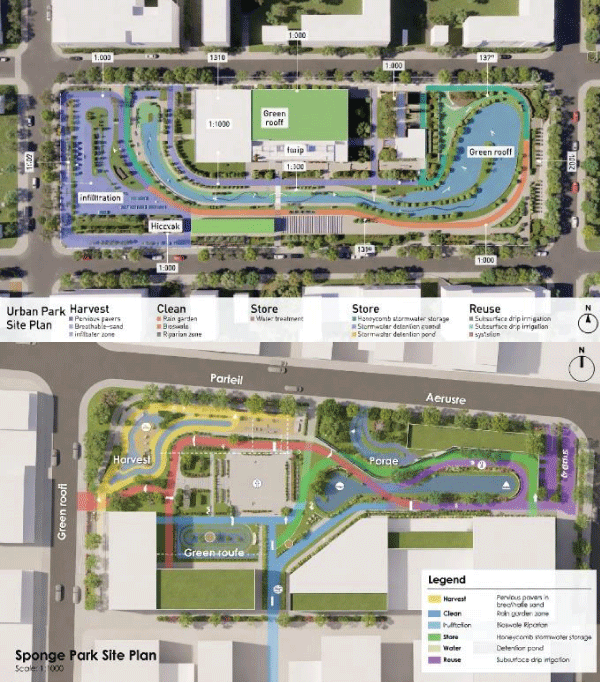
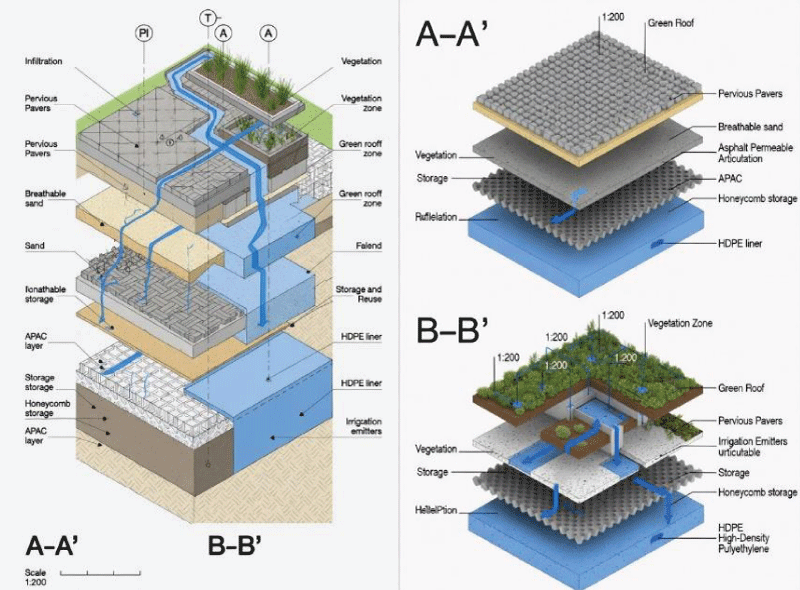
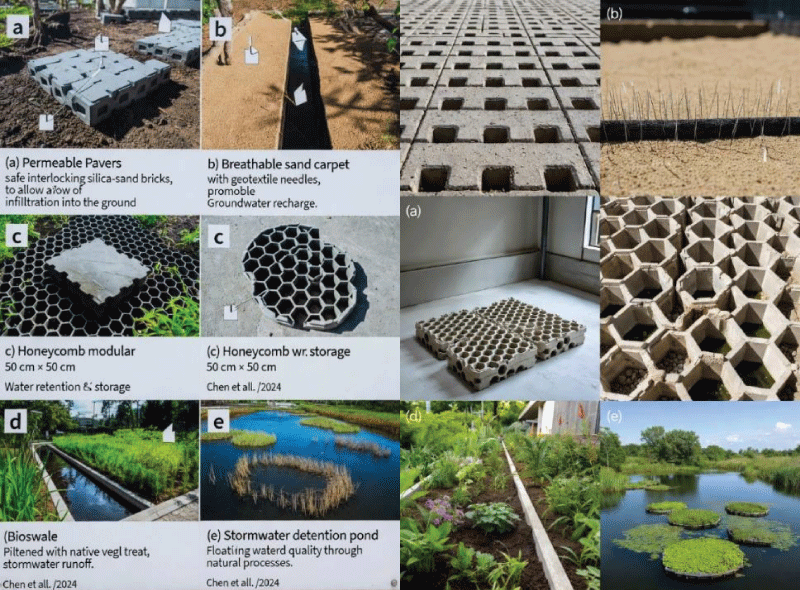
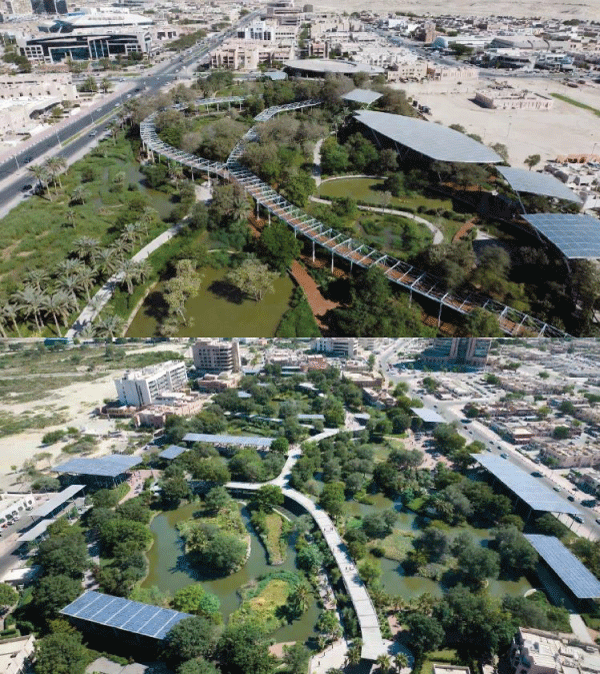
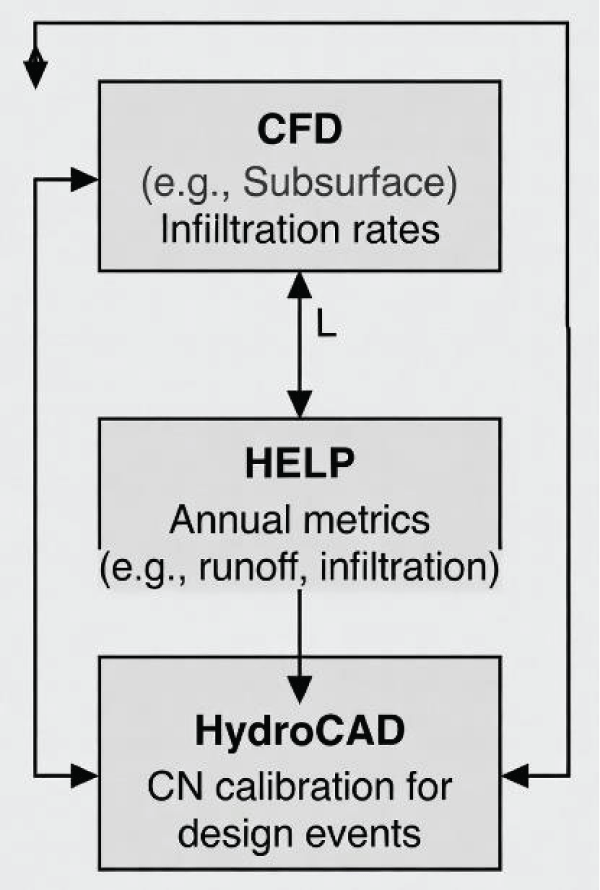
Methodology: A novel multi-model computational framework was developed, coupling Computational Fluid Dynamics (CFD) for process-level subsurface hydrology and heat transfer, the EPA HELP model for long-term water balance, and TR-55/HydroCAD for extreme storm event routing. The system, designed for a 13-ha site in Abu Dhabi, integrates high-infiltration silica-sand pavers and breathable aquicludes (APAC). A comprehensive Monte Carlo analysis (n = 1,000) quantified uncertainties in key parameters. 
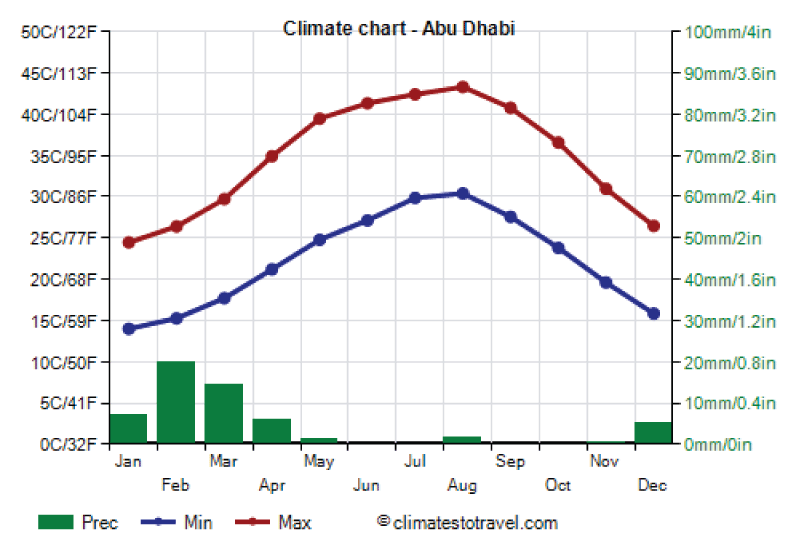
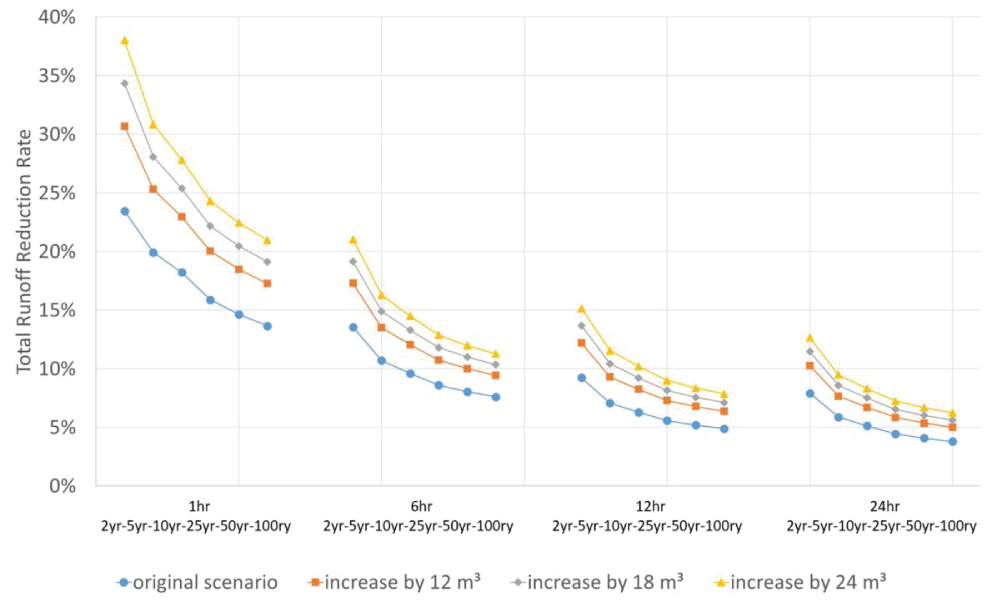
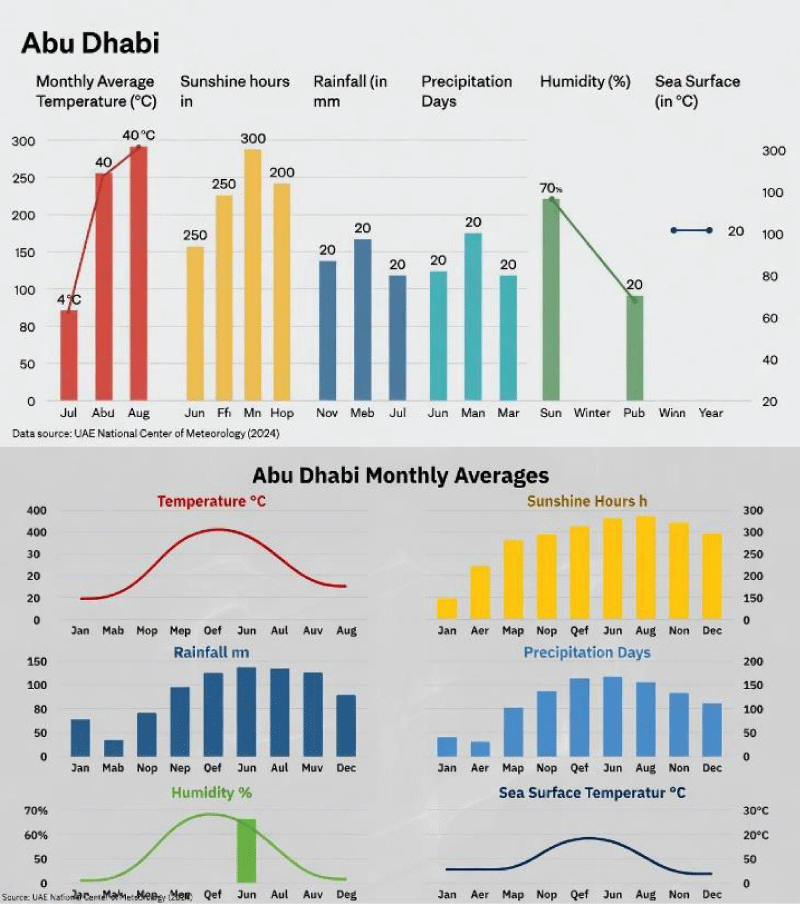
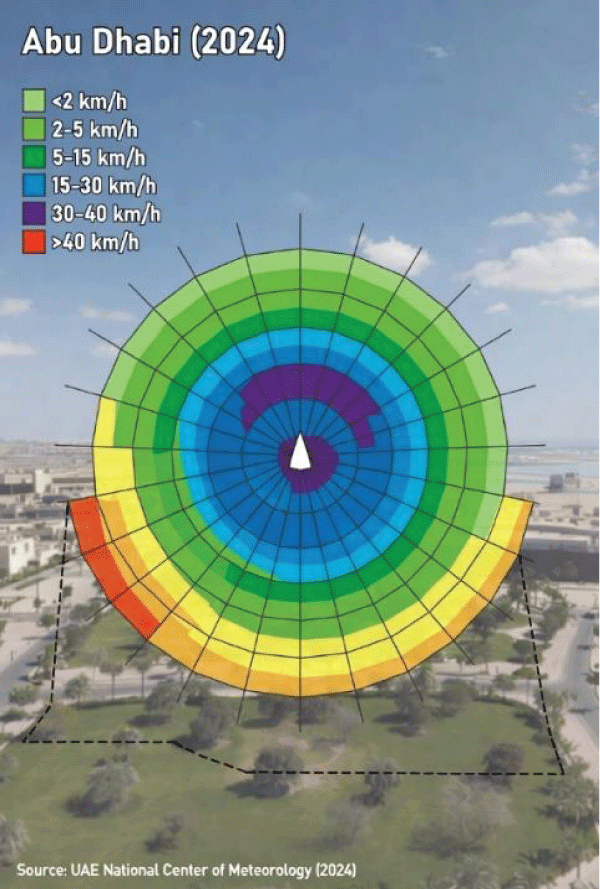
Findings: Simulations under local climatic inputs (80 mm/yr rainfall) project >93.6 ± 3.8% annual rainfall infiltration, <0.1% runoff for 50 mm/24h storms, and pollutant removal efficiencies of 98.0 ± 2.1% (SS) and 93.9 ± 4.2% (COD). The system harvests 5,240 ± 520 m³/yr of water for reuse. The latent heat flux from evaporation (9.32 ± 0.93 GJ/yr per 1,000 m²) translates to a microclimate cooling of 0.4 °C – 0.6 °C. A life-cycle cost analysis confirms economic viability with a net present value of +$0.42 million. 
Conclusion: The results support the hypothesis, demonstrating the Sponge Park's projected viability for hyper-arid urban sustainability, though limited by simulation-only validation. Research Implication: This provides policy-ready metrics for GCC replication, enhancing water security and resilience. Originality/Novelty and Value: This is the first integrated multi-model framework for arid Sponge City applications with a water-energy nexus focus, offering a benchmark for water-stressed regions and advancing SDG 6 and 13.
数字

参考文献

    1. UN-Water. The United Nations World Water Development Report 2021: Valuing water. Paris: UNESCO; 2021.
    2. Estoque RC, Murayama Y, Myint SW. Effects of landscape composition and pattern on land surface temperature: An urban heat island study in the megacities of Southeast Asia. Sci Total Environ. 2017 Jan 15;577:349-359. doi: 10.1016/j.scitotenv.2016.10.195. Epub 2016 Nov 7. PMID: 27832866.
    3. UAE Ministry of Climate Change and Environment (MOCCAE). UAE Water Security Strategy 2036. Abu Dhabi; 2023.
    4. Abu Dhabi Urban Planning Council. The Estidama Pearl Building Rating System. Abu Dhabi; 2010.
    5. Jiang Y. Sponge city practice in China: a review of construction, assessment, operational and maintenance. J Clean Prod. 2021;280:124963.
    6. Al-Mohannadi AS, Ibrahim M, Lee J. Thermal and hydrological performance of permeable pavements in extreme arid conditions: a case study of Doha, Qatar. Sustain Cities Soc. 2024;100:105065.
    7. Chen M, Li W, Dong Z, Zhang D. Characterization of silica sand-based pervious bricks and their performance under stormwater treatment. Water. 2024;16:2625. doi:10.3390/w16182625.
    8. Ma X, Wu J, Su Y, Qin S. Utilizing hydrophobic sand to construct an air-permeable aquiclude to enhance rice yield and lodging resistance. Agronomy. 2024;14:2085. doi:10.3390/agronomy14092085.
    9. Article 6 guidelines for cooperative approaches and carbon markets. Bonn; 2023.
    10. International Organization for Standardization. ISO 498-1:2023. Permeable pavements—Test methods. Geneva: ISO; 2023.
    11. Al-Khalidi A. Public perception and willingness-to-pay for green infrastructure amenities in arid cities: survey results from Riyadh and Doha. Urban For Urban Green. 2024;95:128325.
    12. Qin S, Chen M, Wang Z, Su Y. An innovative stormwater management system using silica sand-based materials in China. In: StormCon Proceedings; 2024.

Why publish with us?

  • Global Visibility – Indexed in major databases

  • Fast Peer Review – Decision within 14–21 days

  • Open Access – Maximize readership and citation

  • Multidisciplinary Scope – Biology, Medicine and Engineering

  • Editorial Board Excellence – Global experts involved

  • University Library Indexing – Via OCLC

  • Permanent Archiving – CrossRef DOI

  • APC – Affordable APCs with discounts

  • Citation – High Citation Potential

Submit Your Article

Advertisement