



要約
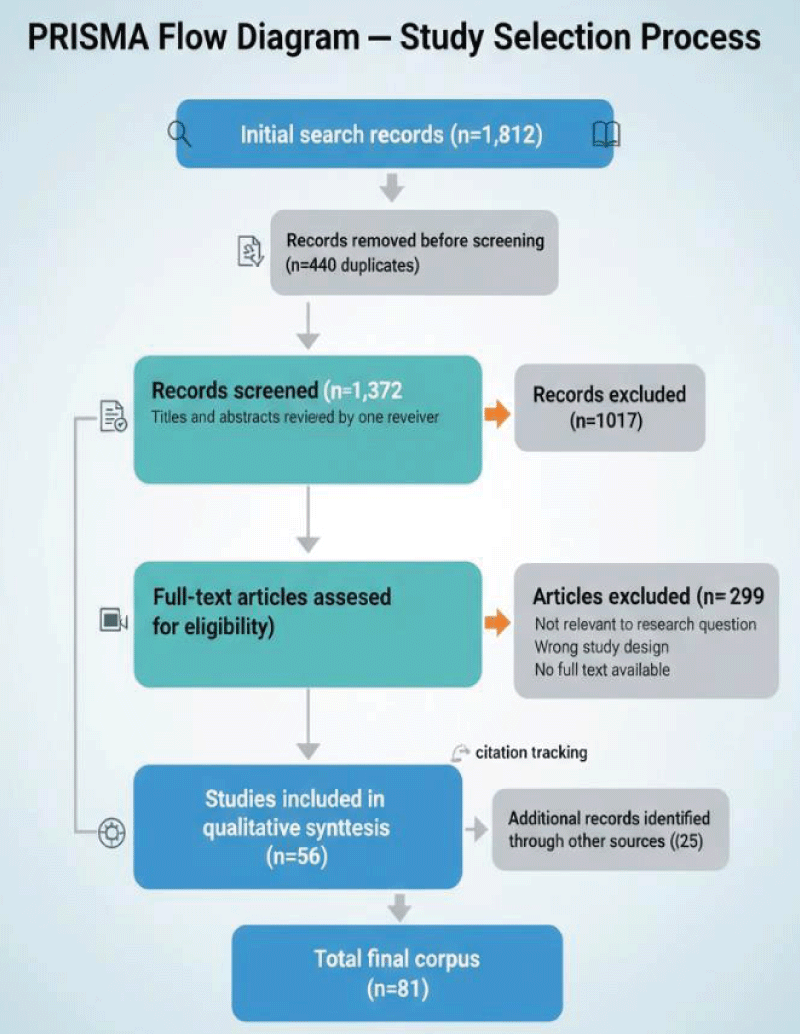
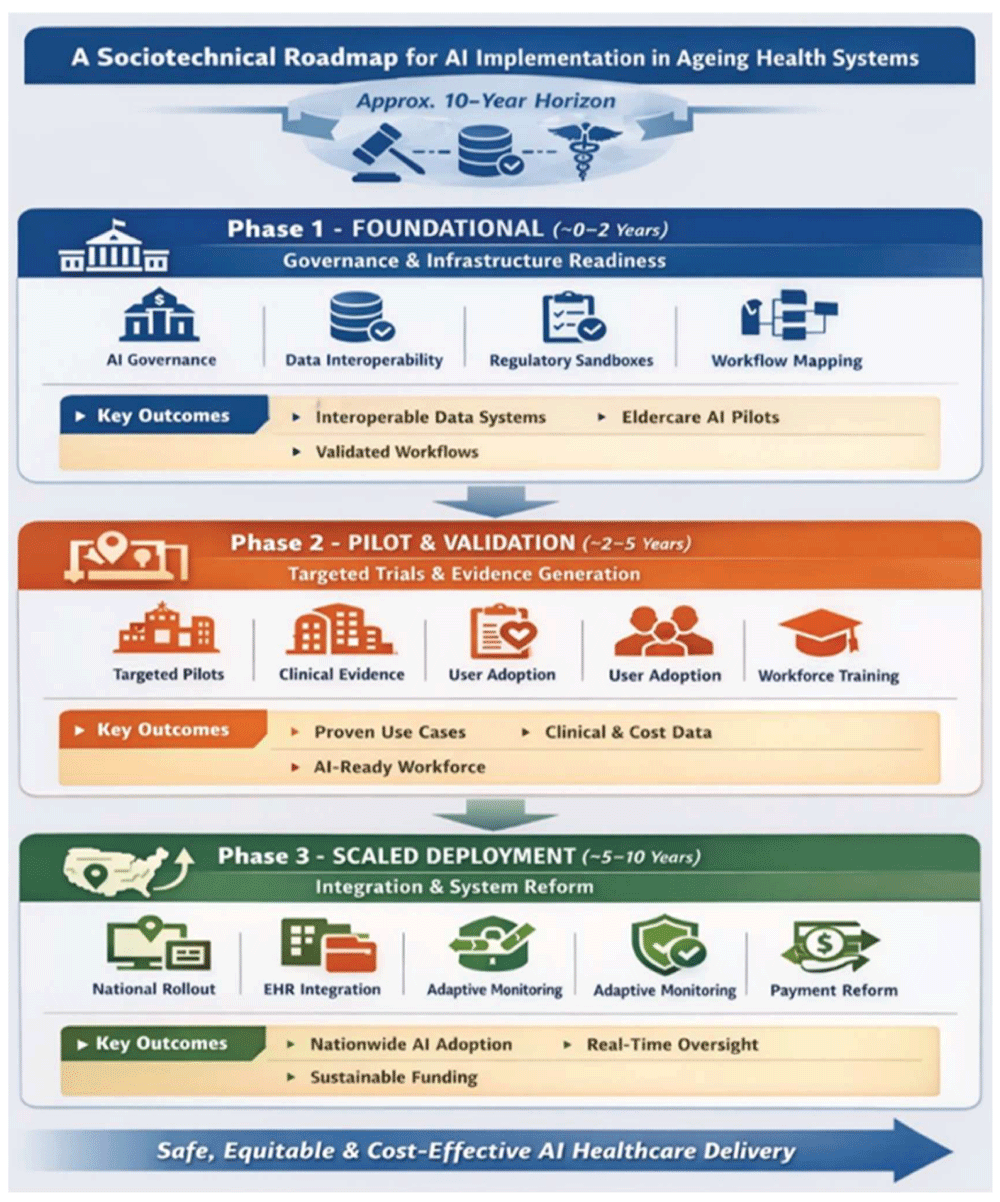
Advanced economies face a compounding demographic crisis: populations aged 65 and over will reach 30–40% in several nations by 2050, ageing-related expenditure already absorbs up to 18% of GDP in the most affected economies, and demographic ageing is projected to reduce annual GDP growth by 0.3–1.2 percentage points by 2035. Conventional policy instruments have failed to resolve pressures that include severe long-term care workforce shortfalls across leading ageing economies and per-capita elderly care costs running 3–5 times those of working-age cohorts. This structured narrative review of 81 sources (2020–2025) examines AI’s potential in healthcare, focusing on Agentic AI, autonomous, goal-directed systems capable of coordinating multi-step workflows, to support structural adaptation in ageing health systems. A consistent finding is that implementation outcomes are determined by institutional conditions rather than algorithmic performance, and evidence strength is inversely correlated with intervention complexity. Three conceptual contributions are presented: the Agentic AI Framework (AAF 3.0); a cross-domain synthesis formalising the inverse evidence–complexity relationship; and a phased sociotechnical roadmap integrating governance sequencing, reimbursement reform, and equity safeguards. Short-term productivity gains are documented; macroeconomic fiscal moderation remains empirically unvalidated.