



要約
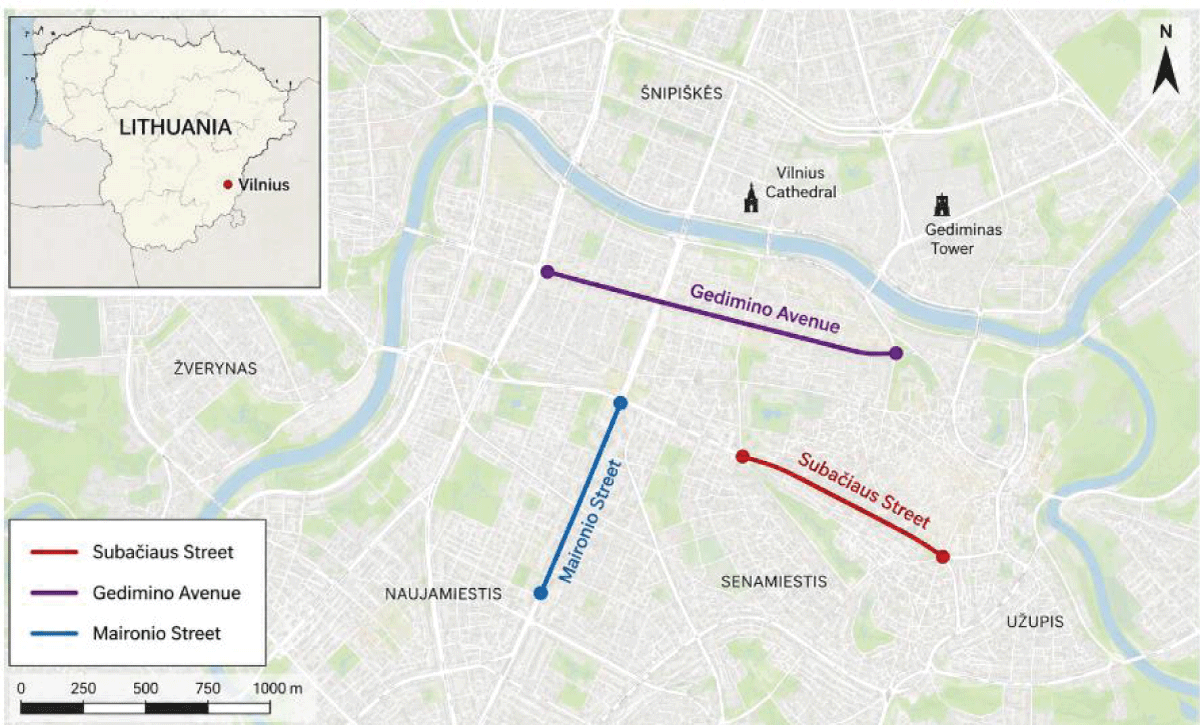
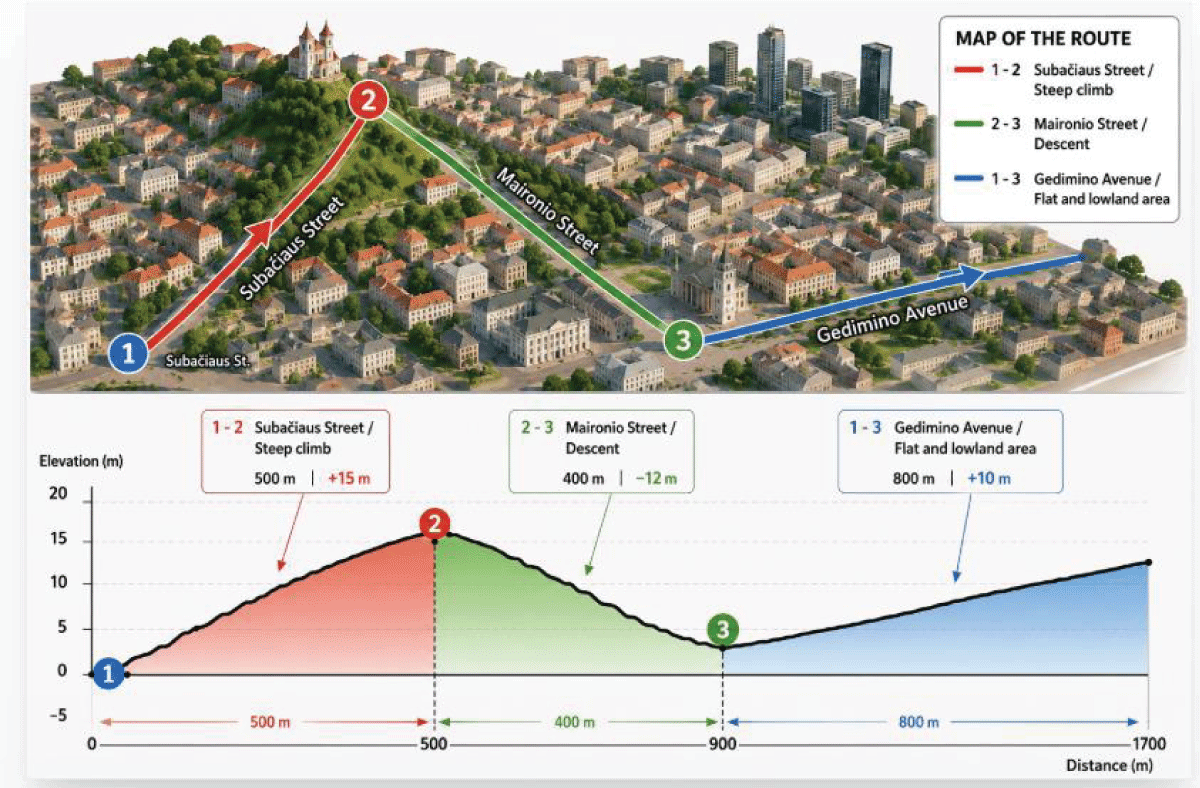
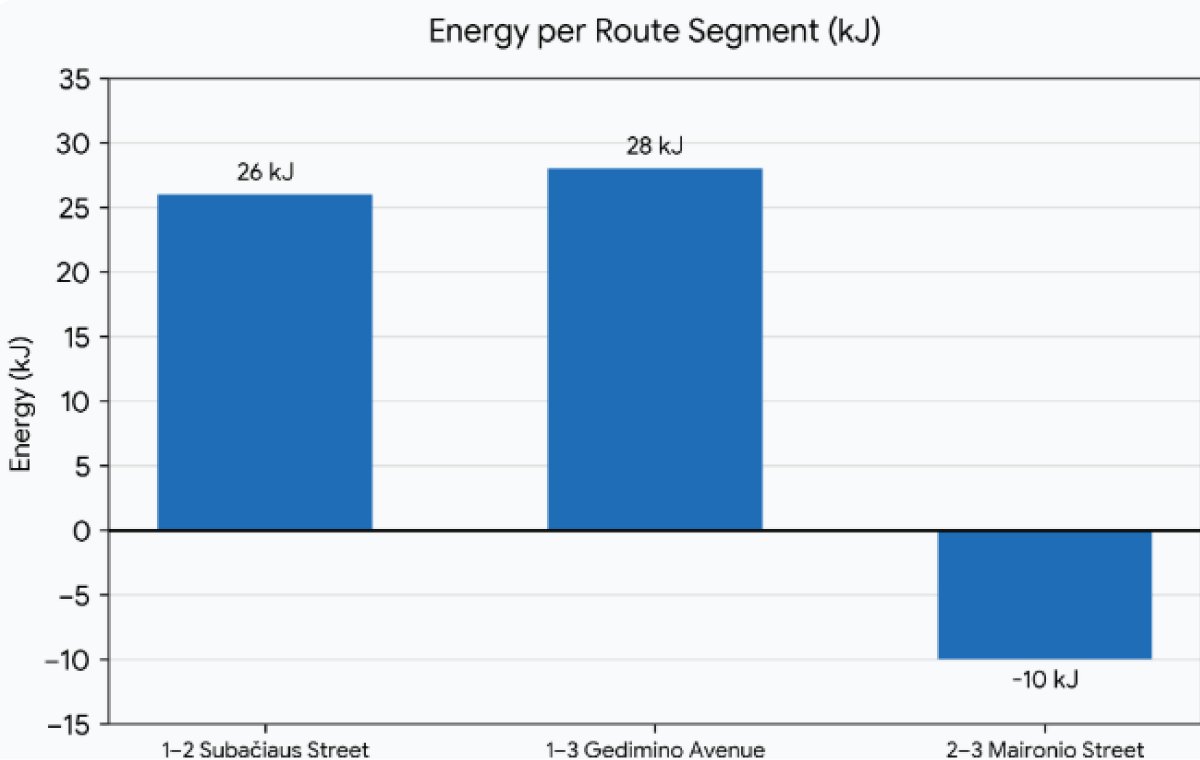
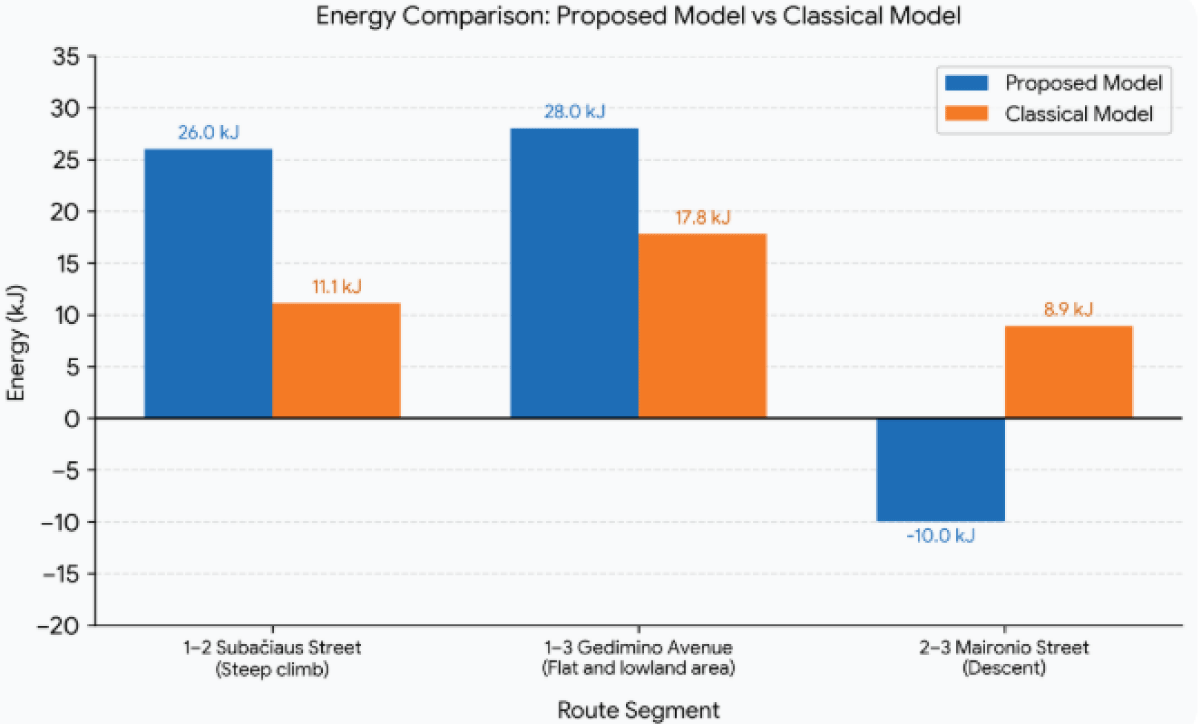
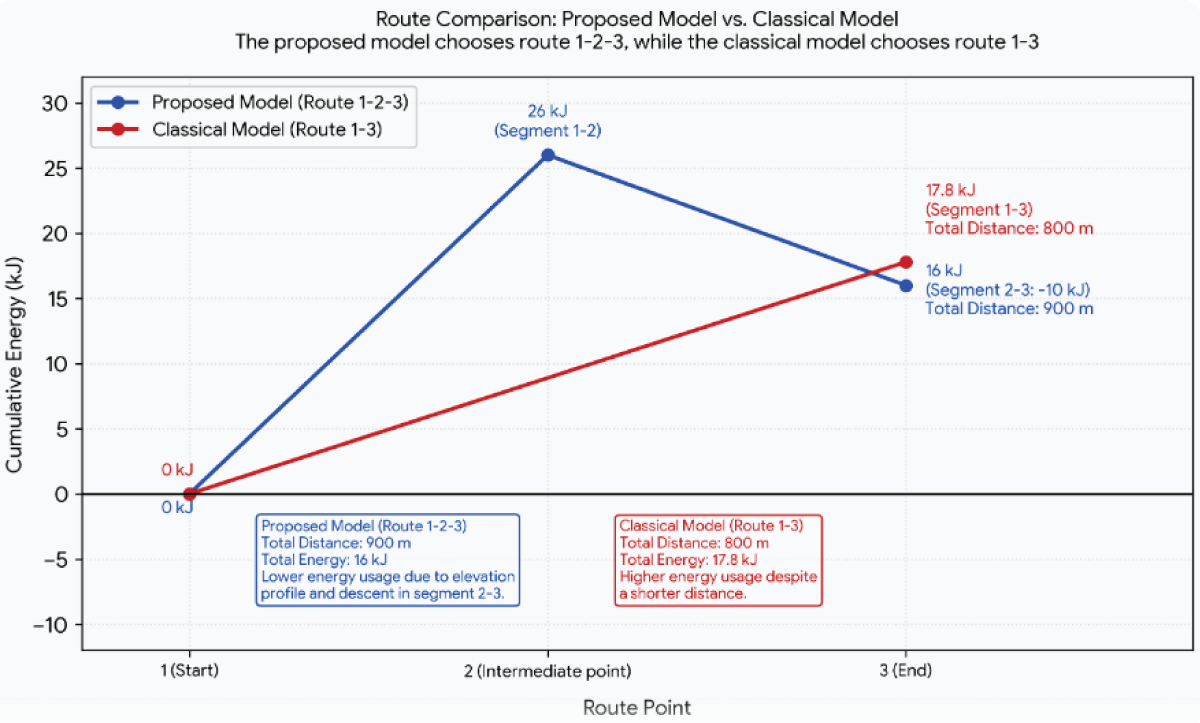
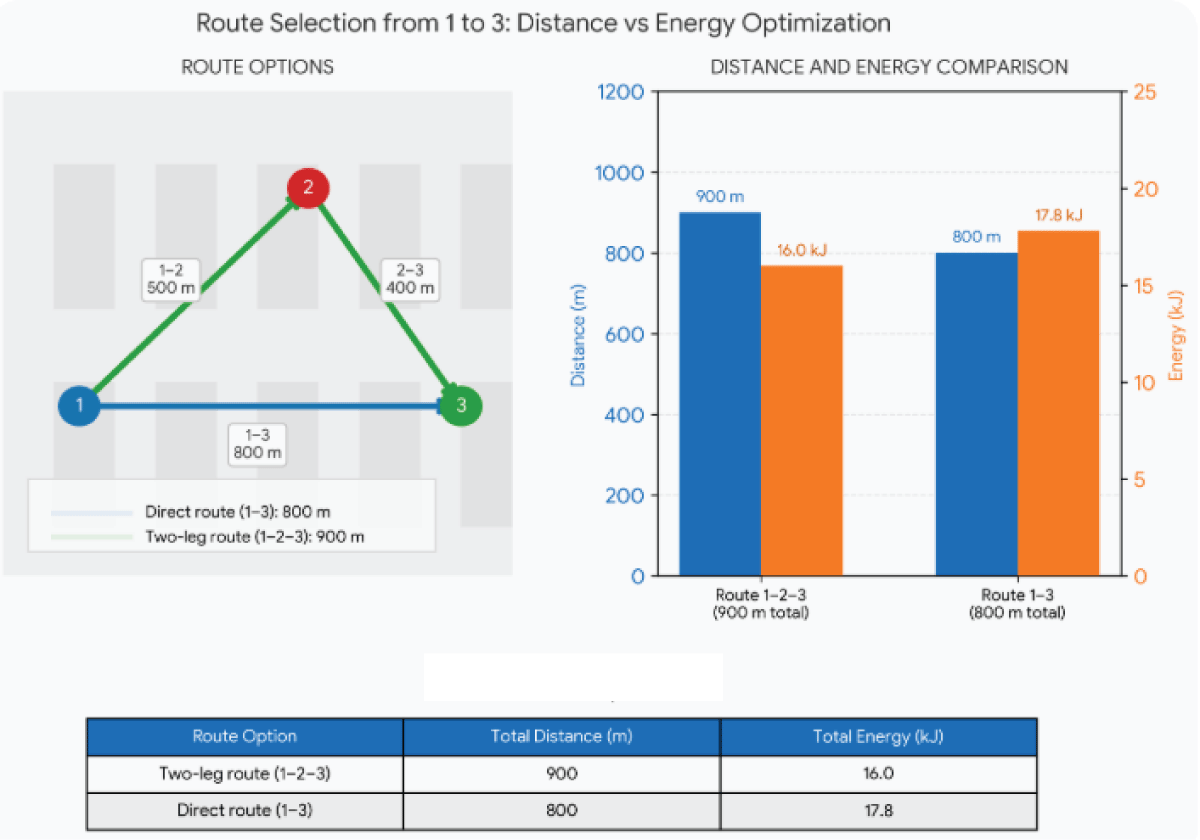
Micromobility has emerged as an important element of sustainable urban transport, offering an effective solution for first- and last-mile connectivity. Despite the growing adoption of shared electric vehicles, many existing fleet deployment and routing methods continue to prioritise minimising travel distance while paying limited attention to the impact of road topography on energy consumption. This omission is particularly relevant in cities with varying terrain, where elevation changes can significantly affect battery usage and overall operational efficiency. This paper introduces a physics-informed optimisation framework that incorporates terrain-related energy demand into micromobility fleet deployment. Instead of relying solely on travel distance, the proposed approach estimates the energy required for vehicle movement by accounting for rolling resistance, aerodynamic drag, gravitational effects caused by road slopes, and energy recovery through regenerative braking on downhill sections. These energy calculations are embedded within a graph-based optimisation model whose objective is to identify routes with the lowest total energy consumption. To assess the effectiveness of the proposed methodology, a case study was conducted using selected road segments from the Vilnius street network that represent different topographical characteristics. The simulation results indicate that road elevation has a substantial influence on vehicle energy requirements. They also reveal that the shortest path does not always correspond to the most energy-efficient one. In several scenarios, longer routes consumed less energy because of more favourable elevation profiles and the additional benefits provided by regenerative braking. Compared with traditional distance-based routing strategies, the proposed framework offers a more accurate representation of real-world energy consumption, leading to better-informed fleet deployment decisions. The methodology is suitable for integration into real-time fleet management systems and smart city platforms, where it can contribute to lower energy consumption, improved battery utilisation, and more sustainable operation of shared micromobility services.