


Help ?

IGMIN: あなたがここにいてくれて嬉しいです. お願いクリック '新しいクエリを作成してください' 当ウェブサイトへの初めてのご訪問で、さらに情報が必要な場合は.

すでに私たちのネットワークのメンバーで、すでに提出した質問に関する進展を追跡する必要がある場合は, クリック '私のクエリに連れて行ってください.'

Search

Organised by  IgMin Fevicon

Regional sites

Browse by Subjects

Welcome to IgMin Research – an Open Access journal uniting Biology, Medicine, and Engineering. We’re dedicated to advancing global knowledge and fostering collaboration across scientific fields.

Browse by Sections

At IgMin Research, we bridge the frontiers of Biology, Medicine, and Engineering to foster interdisciplinary innovation. Our expanded scope now embraces a wide spectrum of scientific disciplines, empowering global researchers to explore, contribute, and collaborate through open access.

Special Issues

Our mission centers on fostering scientific dialogue that accelerates the pace of discovery.

Members

Our mission centers on fostering scientific dialogue that accelerates the pace of discovery.

Articles

Our mission centers on fostering scientific dialogue that accelerates the pace of discovery.

Explore Content

Our mission centers on fostering scientific dialogue that accelerates the pace of discovery.

Identify Us

Our mission centers on fostering scientific dialogue that accelerates the pace of discovery.

IgMin Corporation

Welcome to IgMin, a leading platform dedicated to enhancing knowledge dissemination and professional growth across multiple fields of science, technology, and the humanities. We believe in the power of open access, collaboration, and innovation. Our goal is to provide individuals and organizations with the tools they need to succeed in the global knowledge economy.

Publications Support
[email protected]
E-Books Support
[email protected]
Webinars & Conferences Support
[email protected]
Content Writing Support
[email protected]
IT Support
[email protected]

Search

Select Language

Explore Section

Content for the explore section slider goes here.

Abstract

要約 at IgMin Research

Our mission centers on fostering scientific dialogue that accelerates the pace of discovery.

Engineering Group Research Article 記事ID: igmin350

Multi-class Prediction of Three-dimensional Objects by means of Phase-only digital holographic information using Deep Learning

Machine Learning DOI10.61927/igmin350 Affiliation

Affiliation

    Department of CSE (AI&ML), ATME College of Engineering, Mysore, Karnataka, India

97
VIEWS
26
DOWNLOADS
Connect with Us

要約

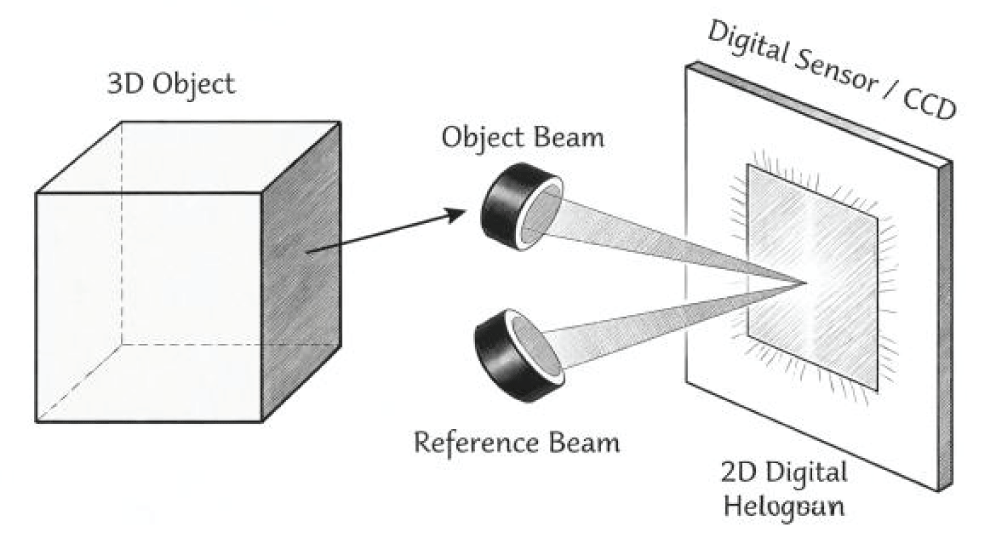
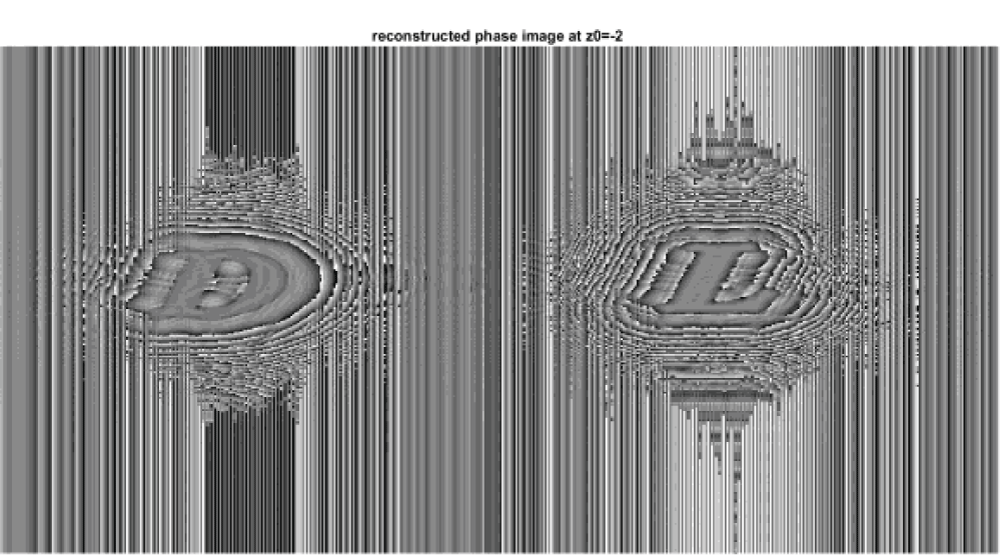
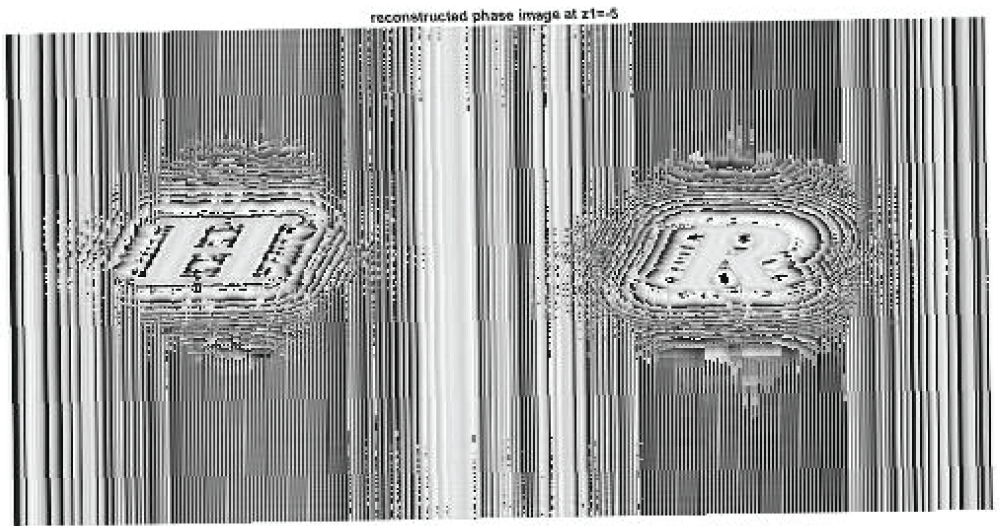
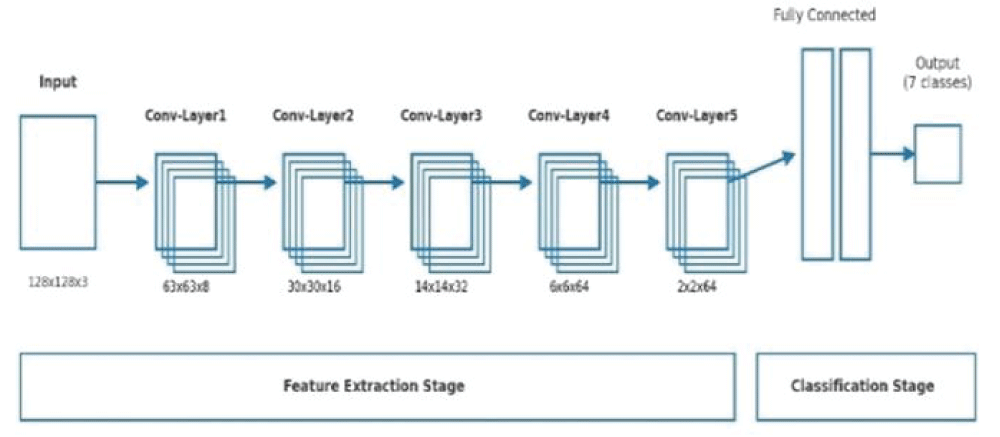
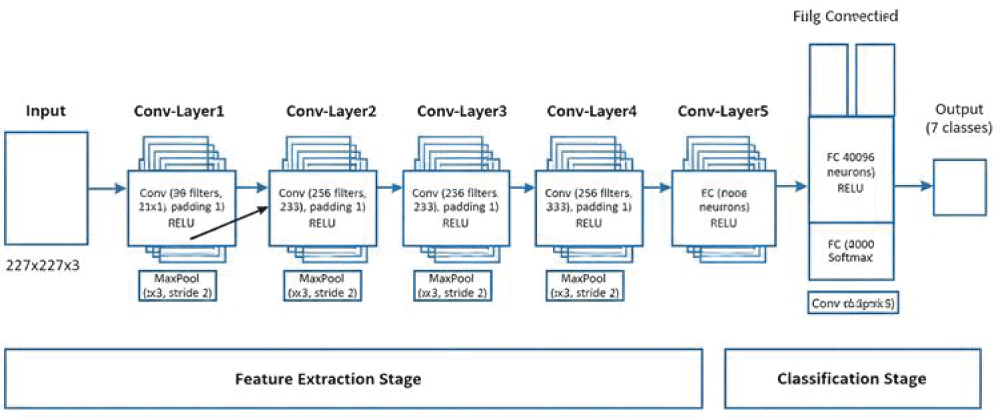
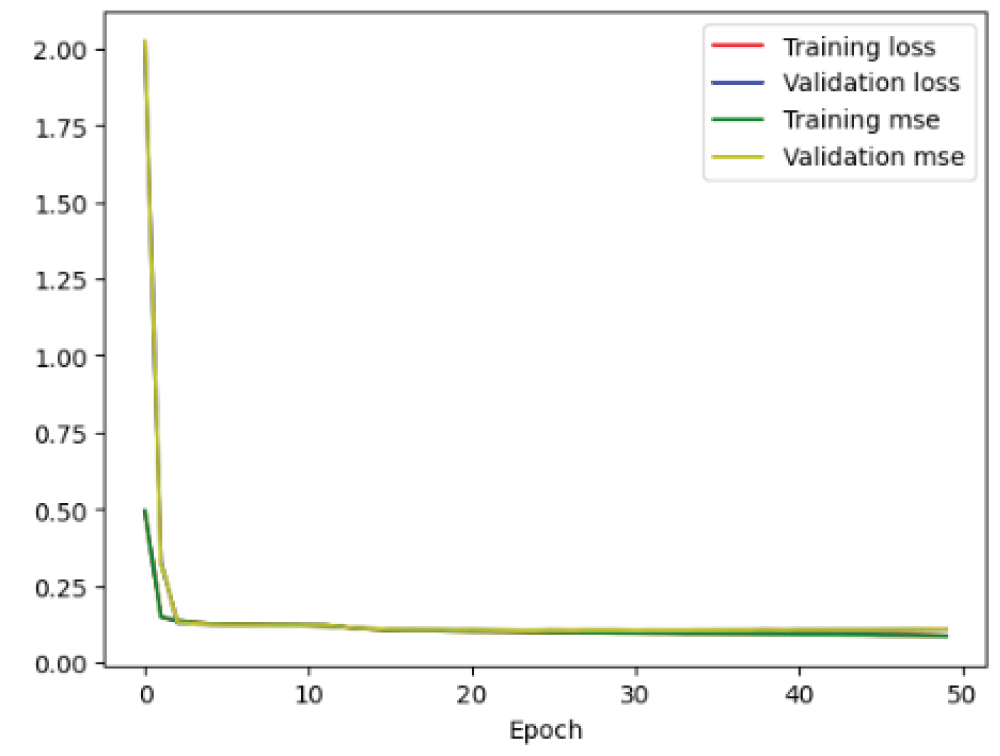
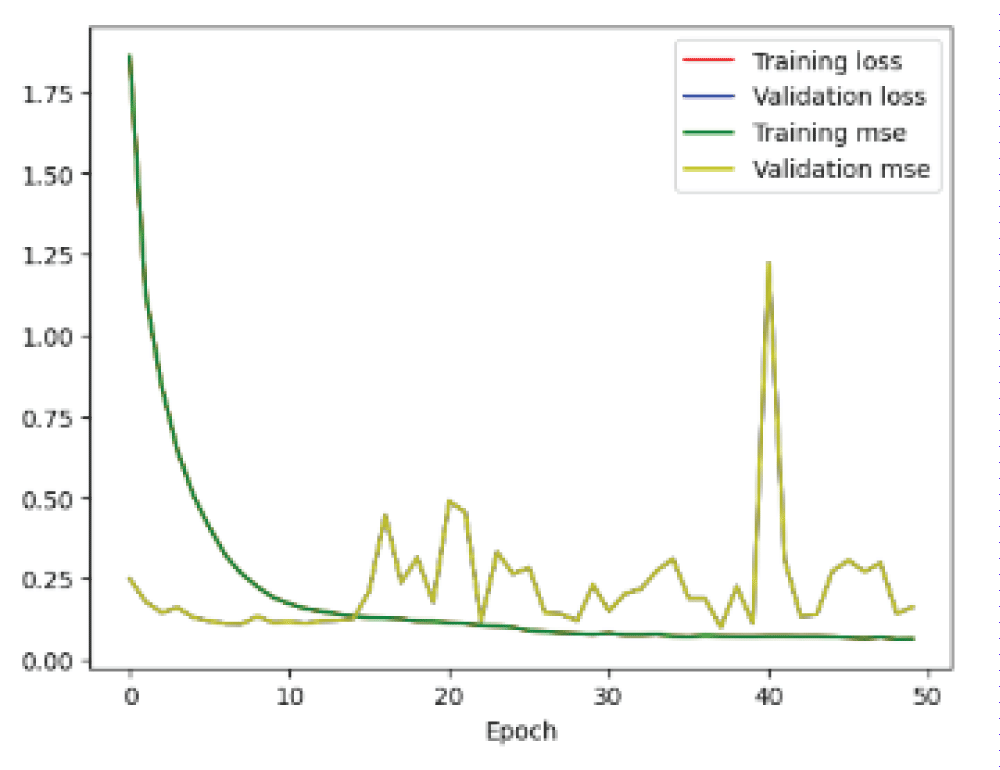
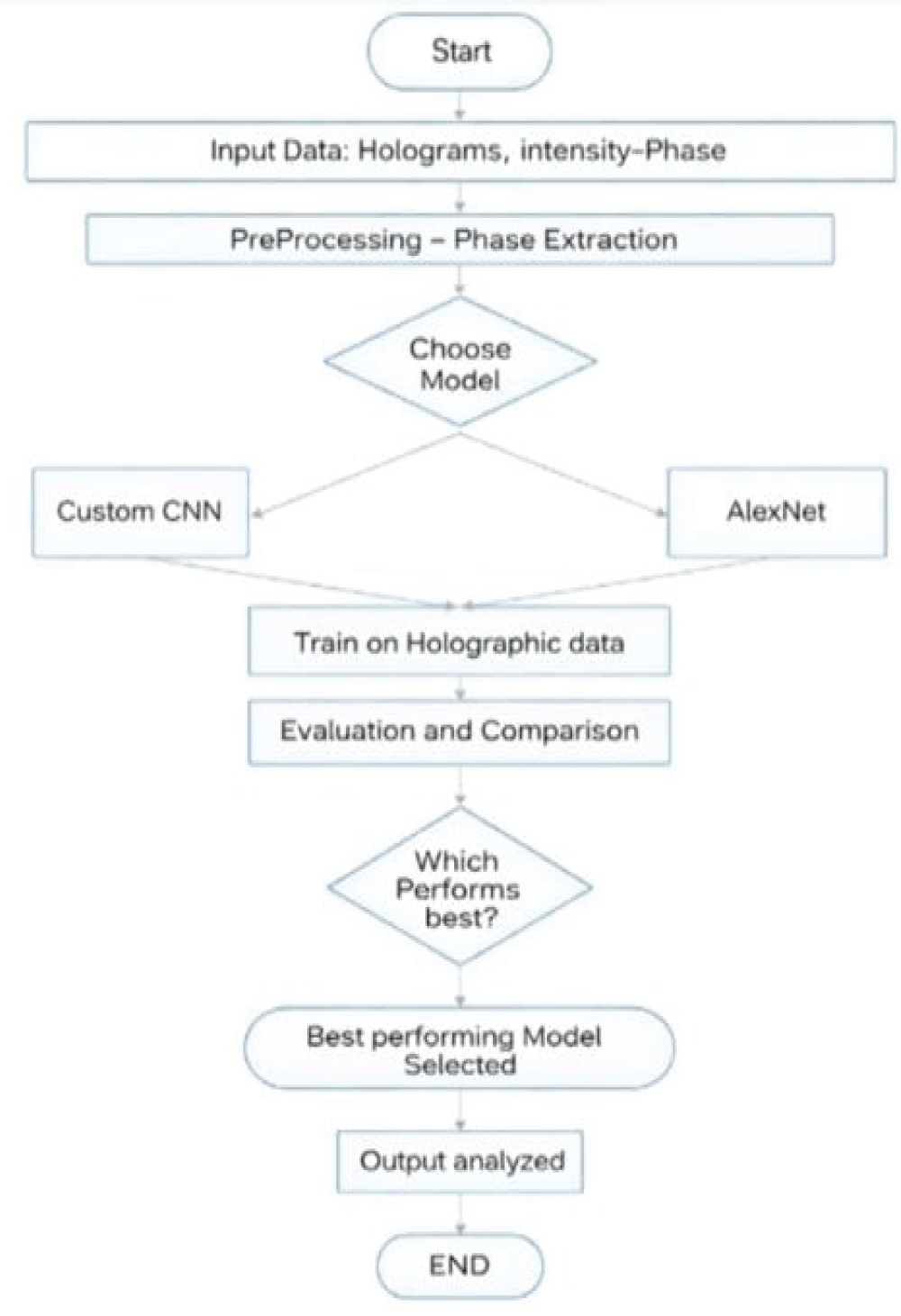
This paper proposes a novel deep learning-based framework for the multi-class prediction analysis of 3-D objects through the application of phase-only digital holographic data obtained via the phase-shifting approach. The dataset utilised in this study comprises seven distinct 3-D object pairings: M-L, D-L, C-N, A-I, D-S, C-S, and H-R, all represented by phase-only holographic images that maintain crucial spatial and depth information. The digital holograms were formed using programmatically generated synthetic 3-D objects and further numerically processed to create 2-D phase images that served as inputs to the prediction task. A custom convolutional neural network (CNN) architecture, along with a modified AlexNet architecture, was employed to simultaneously predict multiple continuous attributes associated with the 3-D objects from their respective phase-only inputs. Regression (Prediction) task model performance was evaluated using mean squared error (MSE), mean absolute error (MAE), and R2 score metrics, demonstrating the ability to perform multi-class prediction with high accuracy and robustness, while also being computationally efficient. The CNN has achieved better regression performance compared to AlexNet in terms of MSE, MAE, and R2 score values. The use of deep learning in this manner thus provides a scalable method of analysing 3-D objects using holographic imaging techniques, moving away from previous binary regression techniques and the limitations of traditional machine learning approaches towards richer predictions of multiple associated attributes.
数字

参考文献

    1. Qi CR, Yi L, Su H, Guibas LJ. Pointnet++: Deep hierarchical feature learning on point sets in a metric space. Adv Neural Inf Process Syst. 2017;30:5099‑5108.
    2. RN UM, KB. Three‑dimensional (3‑D) objects classification by means of phase‑only digital holographic information using Alex Network. 2024 International Conference on Signal Processing, Computation, Electronics, Power and Telecommunication (IConSCEPT); 2024; Karaikal, India. p.1‑5. doi:10.1109/IConSCEPT61884.2024.10627906.
    3. Liu Y. Regression‑based three‑dimensional pose estimation for texture‑less objects. IEEE Trans Multimedia. 2019 Nov;21(11):2776‑2789. doi:10.1109/TMM.2019.2913321.
    4. Li Z, Zhang L, Zhang Z, Xu R, Zhang D. Speckle classification of a multimode fibre based on Inception V3. Appl Opt. 2022;61(29):8850‑8858. doi:10.1364/AO.463764 .
    5. RN UM, Nelleri A. Multi‑class classification and multi‑output regression of three‑dimensional objects using artificial intelligence applied to digital holographic information. Sensors. 2023 Jan;23(3):1‑16. Available from: https://pmc.ncbi.nlm.nih.gov/articles/PMC9920031/
    6. Kim MK. Phase microscopy and surface profilometry by digital holography. Light Adv Manuf. 2022;3:19. doi:10.37188/lam.2022.019.
    7. Chen X, Wang H, Razi A, Kozicki M, Mann C. DH‑GAN: A physics‑driven untrained generative adversarial network for 3D microscopic imaging using digital holography. arXiv [Preprint]. 2022. Available from: arXiv:2205.12920.
    8. Shi L, Li B, Matusik W. End‑to‑end learning of 3D phase‑only holograms for holographic display. Light Sci Appl. 2022;11:247. doi:10.1038/s41377‑022‑00894‑6.
    9. Shimobaba T, Kakue T, Ito T. Convolutional neural network‑based regression for depth prediction in digital holography. 2018 IEEE 27th International Symposium on Industrial Electronics (ISIE); 2018; Cairns, QLD, Australia. p.1323‑1326. doi:10.1109/ISIE.2018.8433651.
    10. Ade SS, Gupta D, Chandrala LD, Sahu KC. Application of deep learning and inline holography to estimate the droplet size distribution. Int J Multiph Flow. 2024;177:104853. doi:10.1016/j.ijmultiphaseflow.2024.104853.
    11. Rymov DA, Svistunov AS, Starikov RS, Shifrina AV, Rodin VG, Evtikhiev NN, Cheremkhin PA. 3D‑CGH‑Net: customizable 3D‑hologram generation via deep learning. Opt Lasers Eng. 2025;184:108645. doi:10.1016/j.optlaseng.2024.108645.
    12. LeCun Y, Bottou L, Bengio Y, et al. Gradient‑based learning applied to document recognition. Proc IEEE. 1998;86(11):2278‑2324.
    13. Krizhevsky A, Sutskever I, Hinton GE. ImageNet classification with deep convolutional neural networks. Adv Neural Inf Process Syst. 2012;25:1097‑1105.
    14. RN UM, Basavaraju L. Deep learning‑based multi‑class three‑dimensional (3‑D) object classification using phase‑only digital holographic information. IgMin Res. 2024 Jul;2(7):550‑557. doi:10.61927/igmin216.
    15. Uma Mahesh RN, Nelleri A. Three‑dimensional (3‑D) objects classification and regression using deep learning and machine learning algorithms applied to complex object wave information retrieved from digital holograms. Asian J Phys. 2019;31(11‑12):1085‑1094.
    16. Mahesh RNU, Nelleri A. Deep convolutional neural network for binary regression of three‑dimensional objects using information retrieved from digital Fresnel holograms. Appl Phys B. 2022;128:157. doi:10.1007/s00340‑022‑07877‑w.
    17. Mahesh RNU, Nelleri A. Machine learning‑based binary regression task of 3D objects in digital holography. In: Subhashini N, Ezra MAG, Liaw SK, editors. Futuristic Communication and Network Technologies. VICFCNT 2021. Lecture Notes in Electrical Engineering. Vol 995. Singapore: Springer; 2023. p.1‑12. doi:10.1007/978‑981‑19‑9748‑8_34.

類似の記事

Examining the Causal Connection between Lipid-lowering Medications and Malignant Meningiomas through Drug-target Mendelian Randomization Analysis
Liantai Song, Xiaoyan Guo, Wenhui Zhang, Mengjie Li, Xinyi Wu, Ziqian Kou, Yuxin Wang, Zigeng Ren and Qian Xu
DOI10.61927/igmin187
The Educational Role of Cinema in Physical Sciences
Maria Sagri, Denis Vavougios and Filippos Sofos
DOI10.61927/igmin121

Why publish with us?

  • Global Visibility – Indexed in major databases

  • Fast Peer Review – Decision within 14–21 days

  • Open Access – Maximize readership and citation

  • Multidisciplinary Scope – Biology, Medicine and Engineering

  • Editorial Board Excellence – Global experts involved

  • University Library Indexing – Via OCLC

  • Permanent Archiving – CrossRef DOI

  • APC – Affordable APCs with discounts

  • Citation – High Citation Potential

Submit Your Article

Advertisement