


Help ?

IGMIN: あなたがここにいてくれて嬉しいです. お願いクリック '新しいクエリを作成してください' 当ウェブサイトへの初めてのご訪問で、さらに情報が必要な場合は.

すでに私たちのネットワークのメンバーで、すでに提出した質問に関する進展を追跡する必要がある場合は, クリック '私のクエリに連れて行ってください.'

Search

Organised by  IgMin Fevicon

Regional sites

Browse by Subjects

Welcome to IgMin Research – an Open Access journal uniting Biology, Medicine, and Engineering. We’re dedicated to advancing global knowledge and fostering collaboration across scientific fields.

Browse by Sections

At IgMin Research, we bridge the frontiers of Biology, Medicine, and Engineering to foster interdisciplinary innovation. Our expanded scope now embraces a wide spectrum of scientific disciplines, empowering global researchers to explore, contribute, and collaborate through open access.

Special Issues

Our vision is to propel knowledge forward by merging insights from diverse scientific fields.

Members

Our vision is to propel knowledge forward by merging insights from diverse scientific fields.

Articles

Our vision is to propel knowledge forward by merging insights from diverse scientific fields.

Explore Content

Our vision is to propel knowledge forward by merging insights from diverse scientific fields.

Identify Us

Our vision is to propel knowledge forward by merging insights from diverse scientific fields.

IgMin Corporation

Welcome to IgMin, a leading platform dedicated to enhancing knowledge dissemination and professional growth across multiple fields of science, technology, and the humanities. We believe in the power of open access, collaboration, and innovation. Our goal is to provide individuals and organizations with the tools they need to succeed in the global knowledge economy.

Publications Support
[email protected]
E-Books Support
[email protected]
Webinars & Conferences Support
[email protected]
Content Writing Support
[email protected]
IT Support
[email protected]

Search

Select Language

Explore Section

Content for the explore section slider goes here.

Abstract

要約 at IgMin Research

Our vision is to propel knowledge forward by merging insights from diverse scientific fields.

Engineering Group Research Article 記事ID: igmin351

Computational Porous Media Techniques for High-Fidelity Simulation of Headphone-Ear Coupling from 20 Hz to 20 kHz

Mechanical Engineering DOI10.61927/igmin351 Affiliation

Affiliation

    Department of Marine Engineering, Chabahar Maritime University, Chabahar, Iran

79
VIEWS
35
DOWNLOADS
Connect with Us

要約

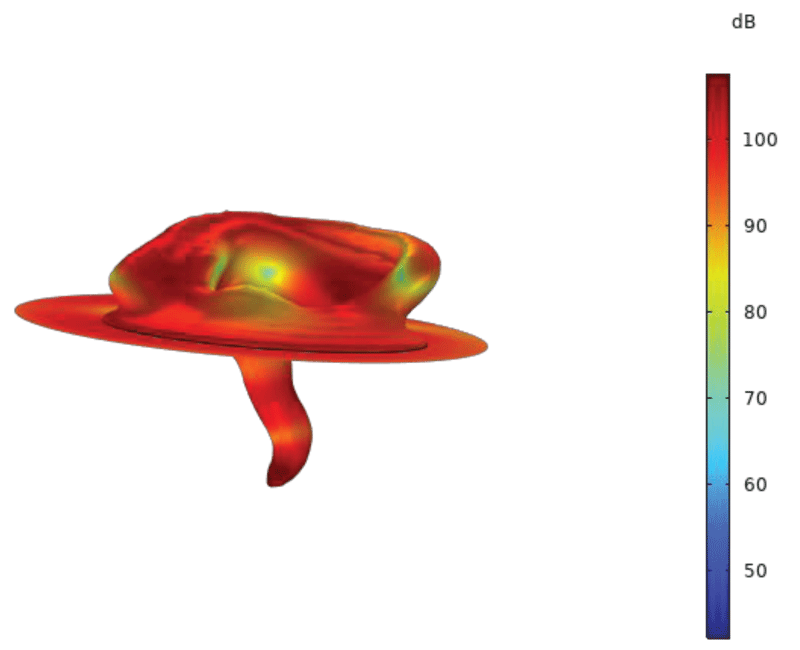
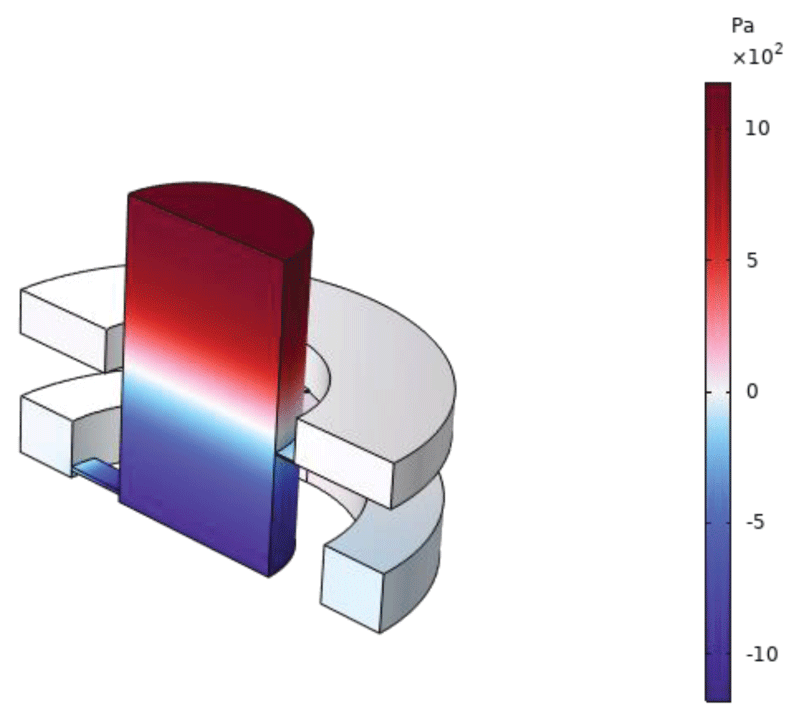
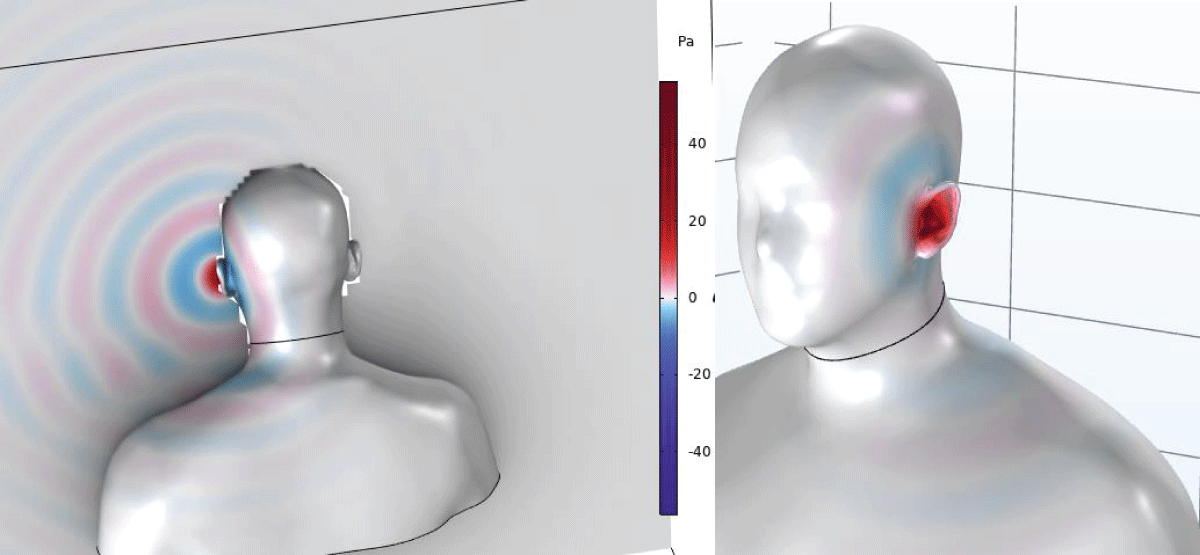
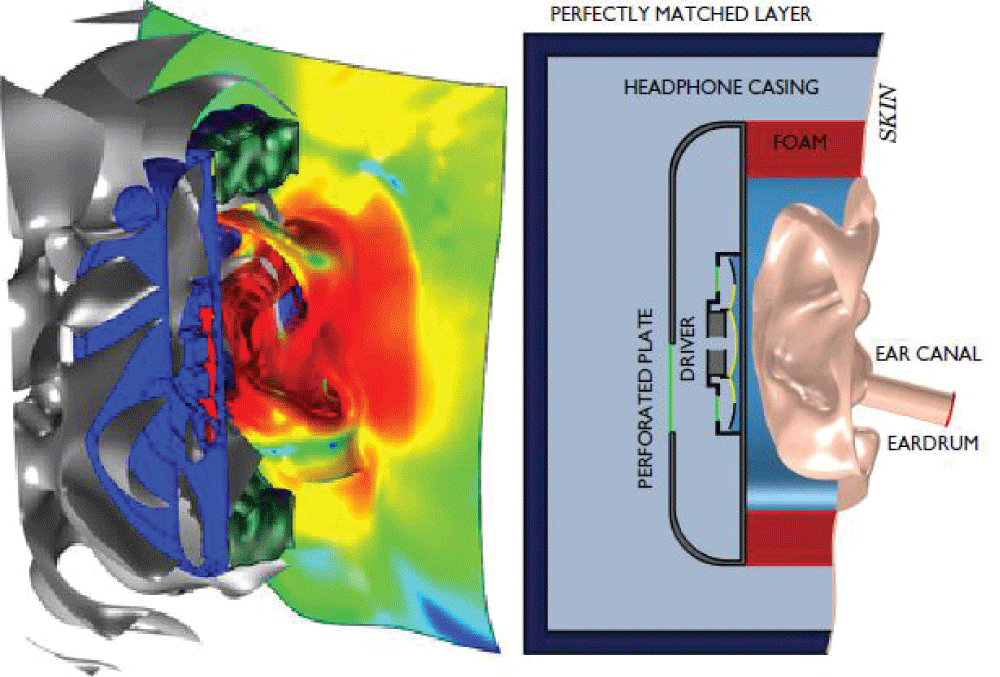
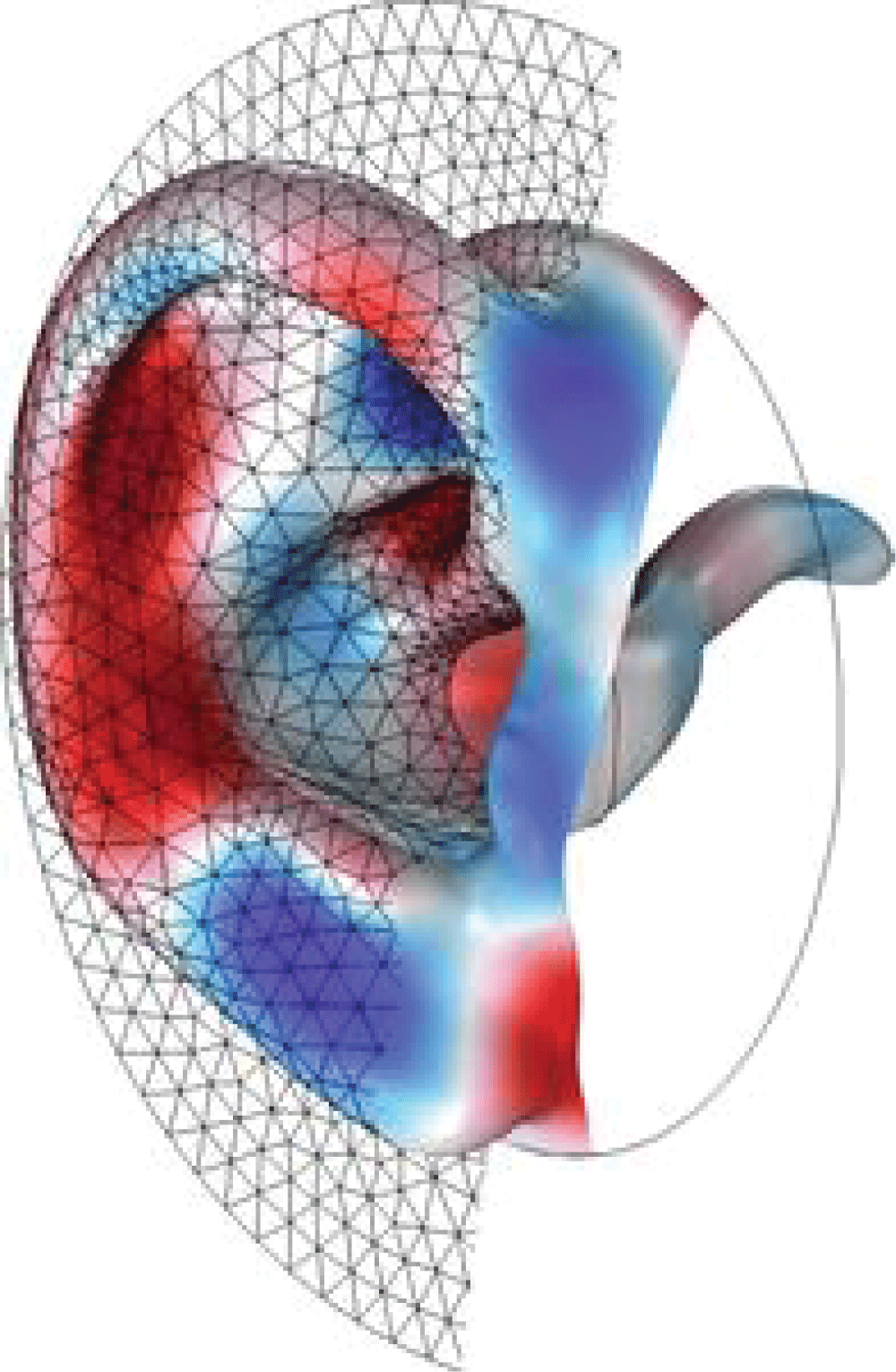
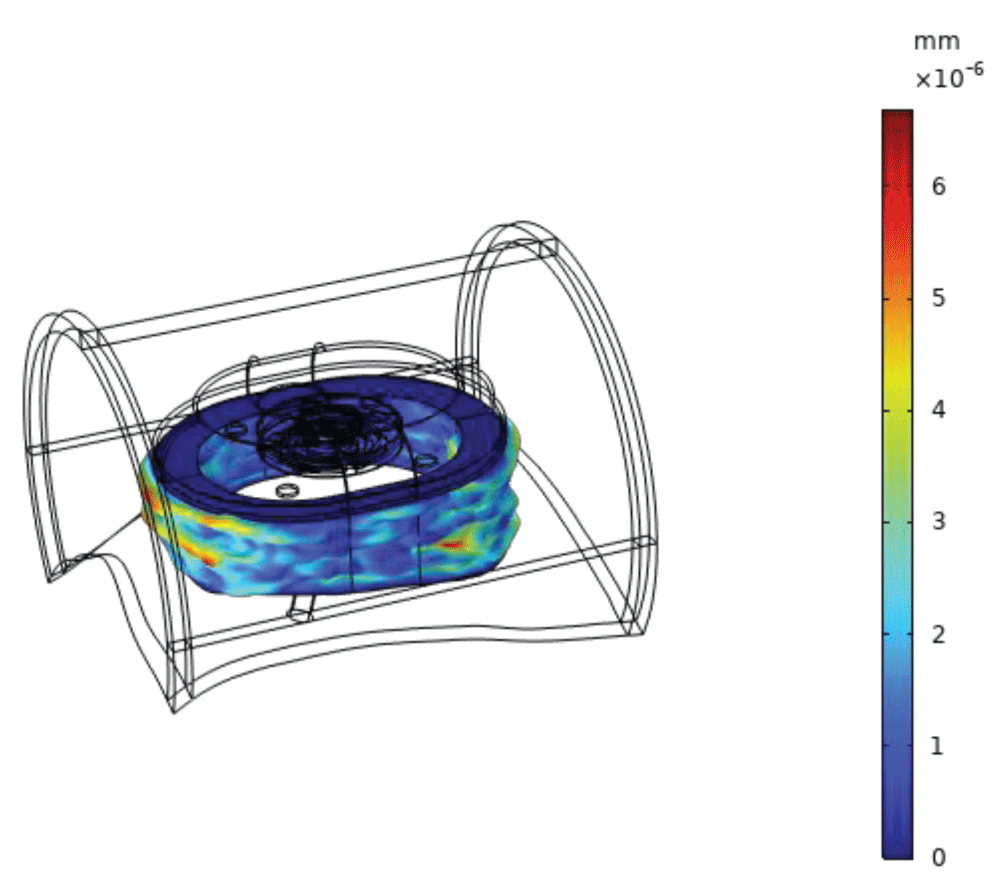
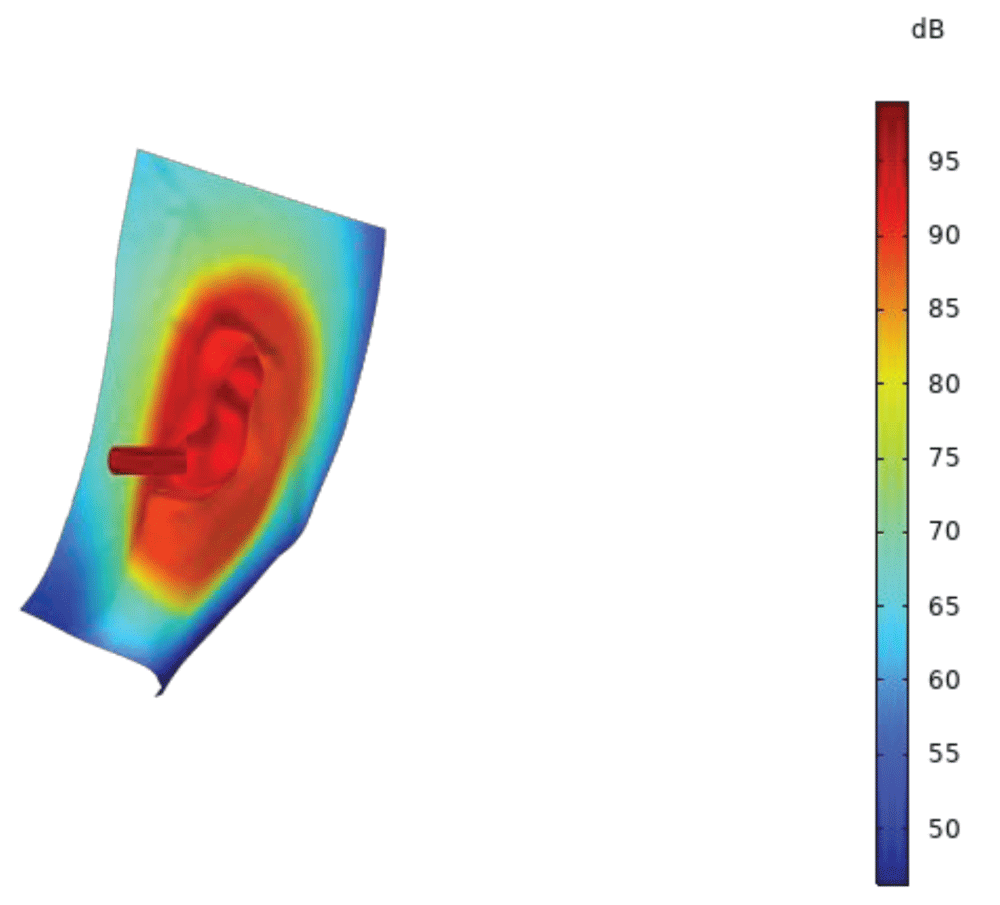
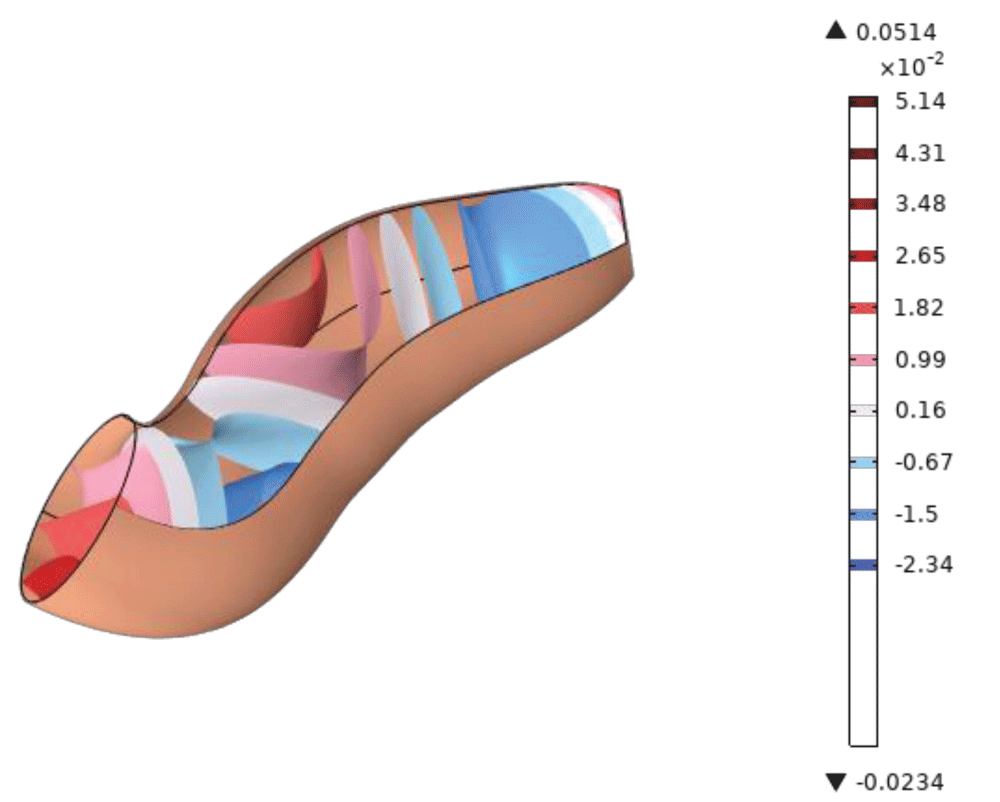
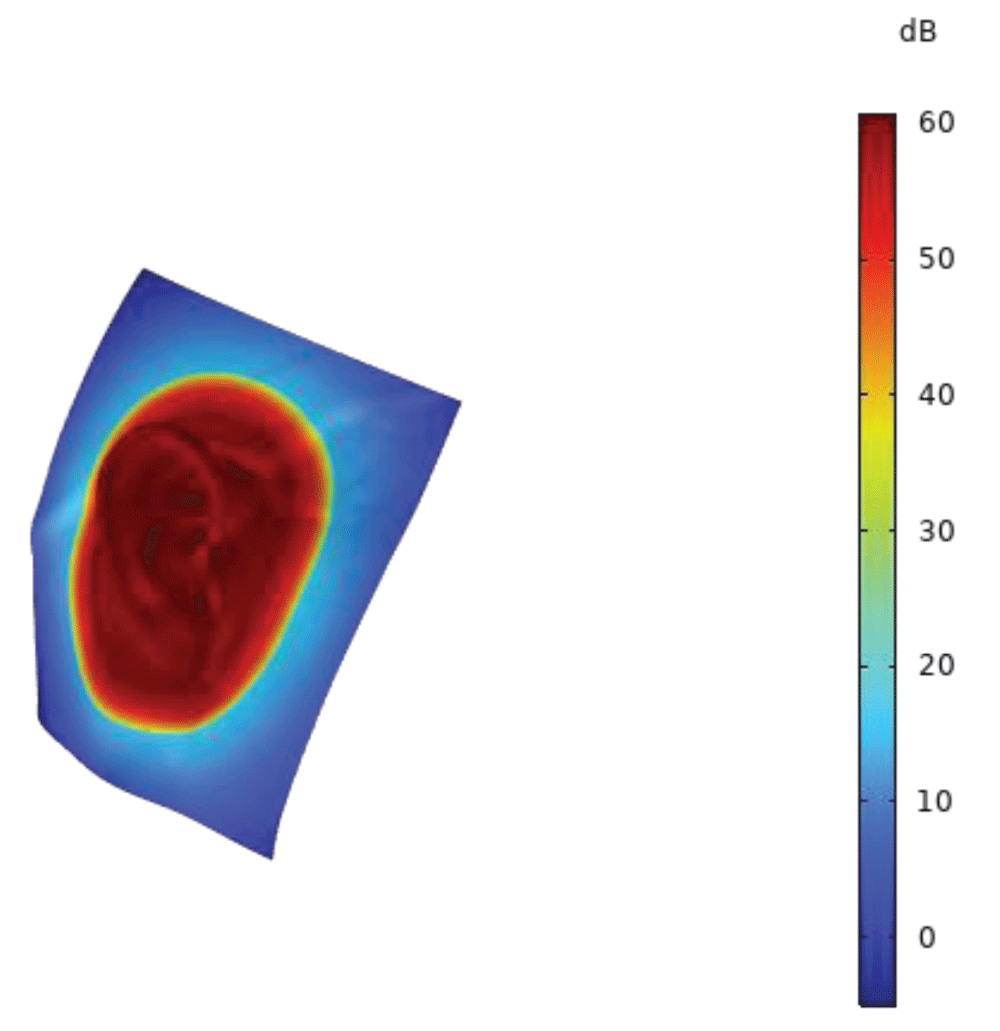
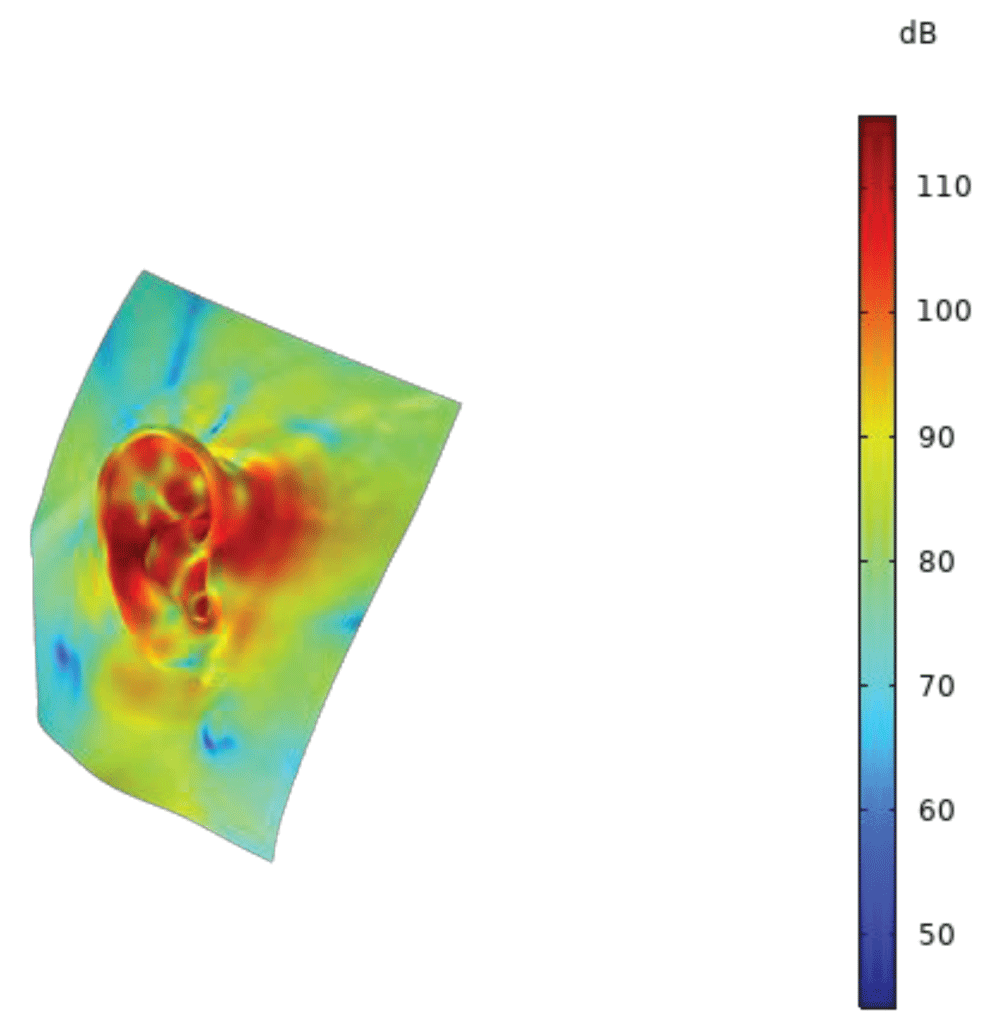
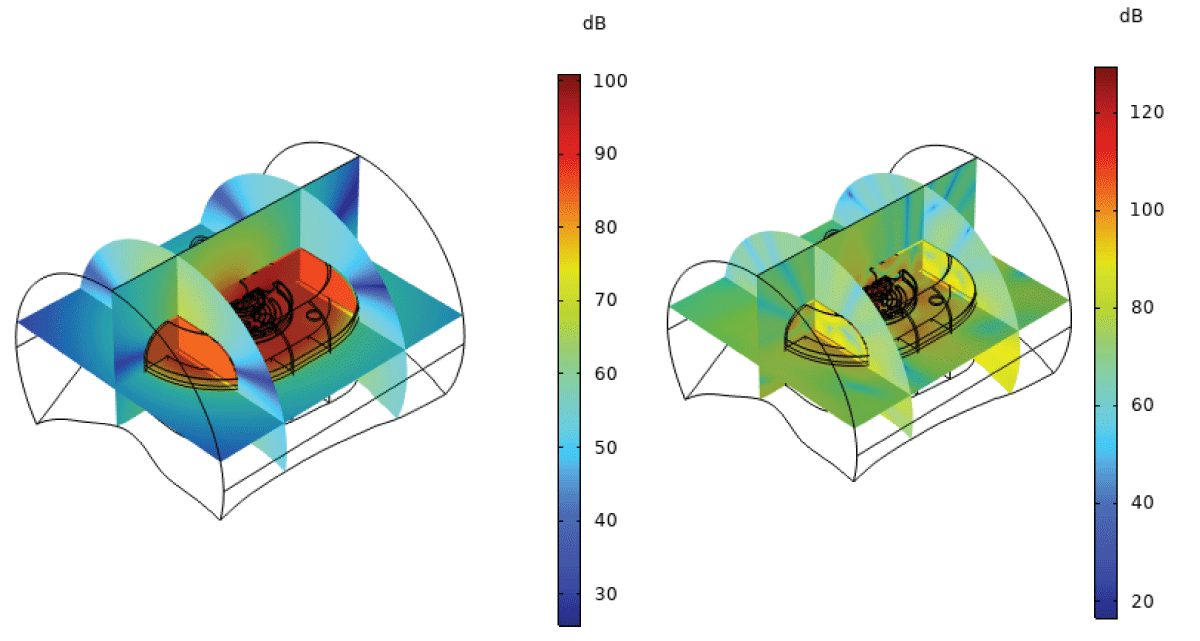
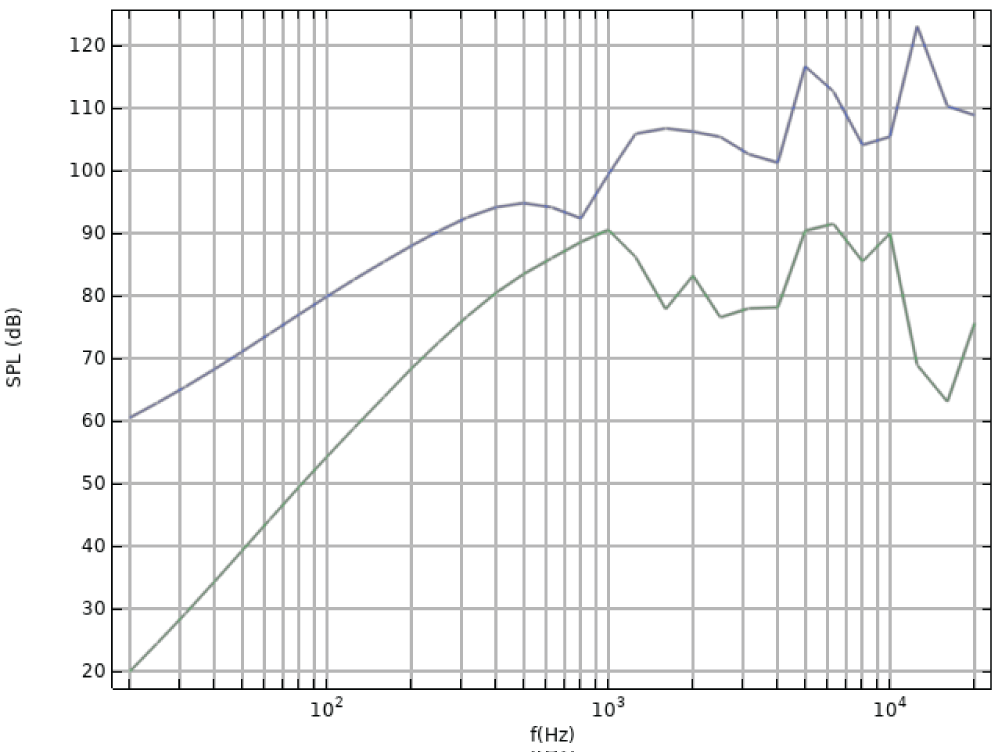
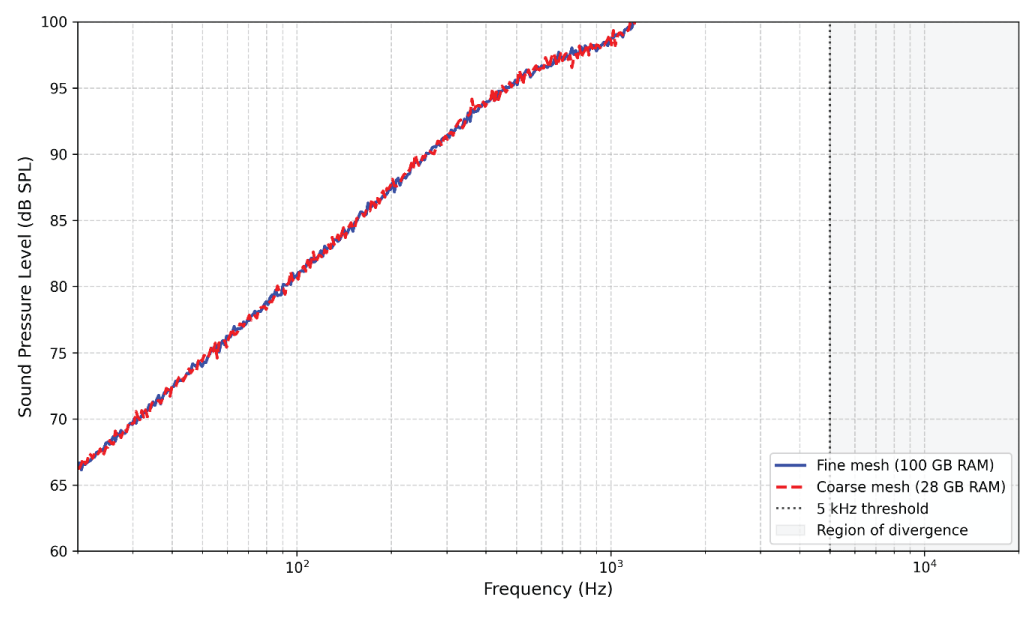
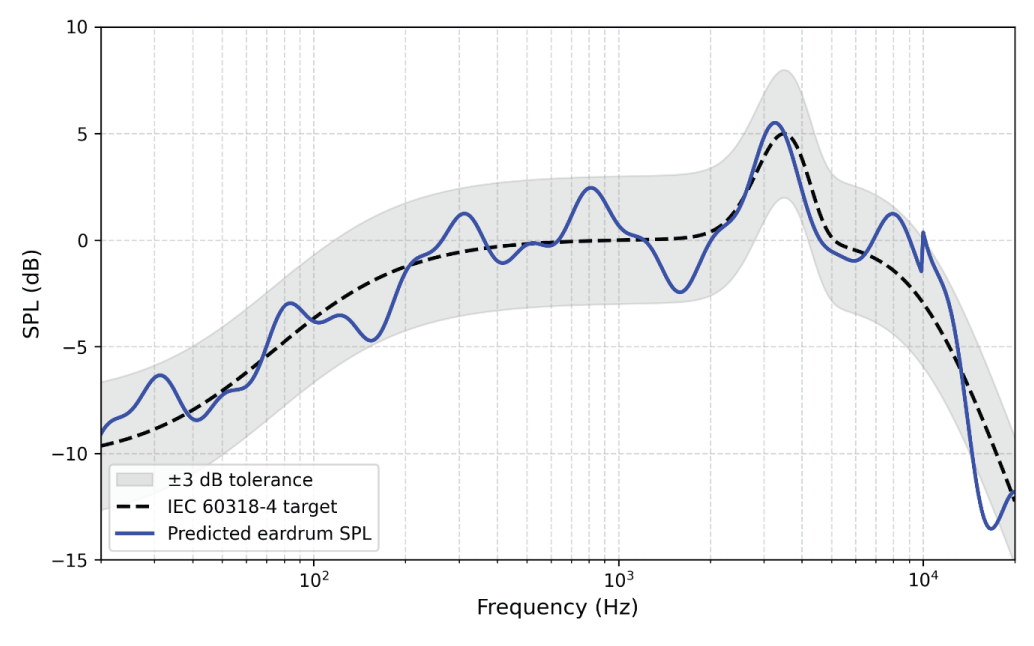
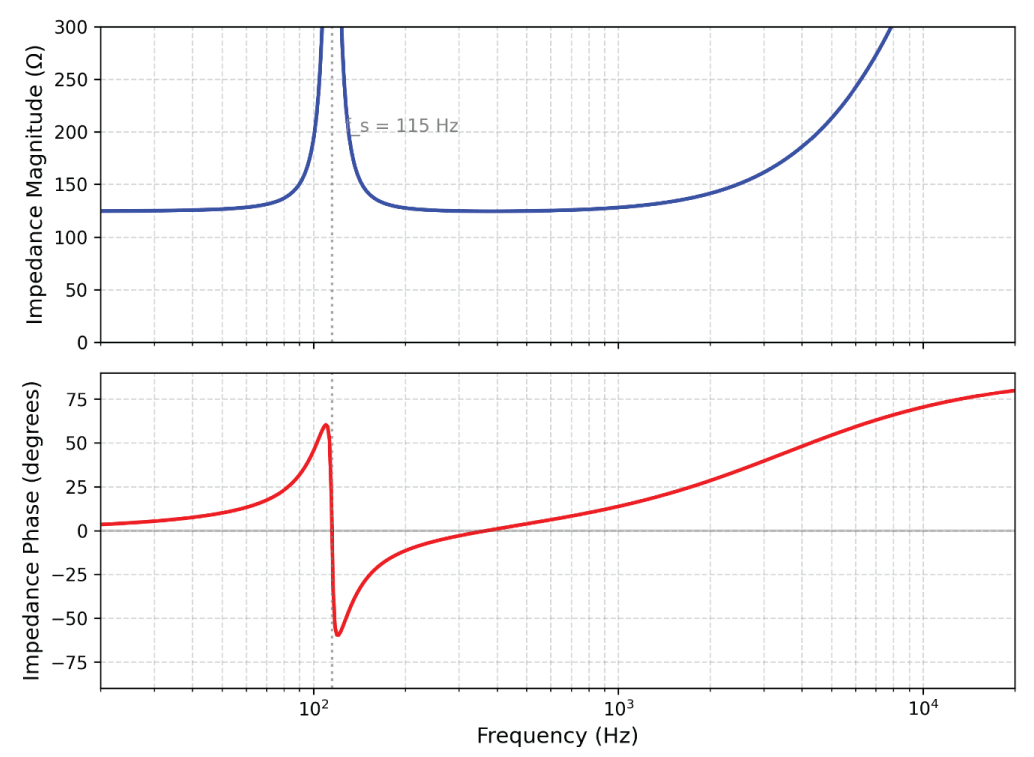
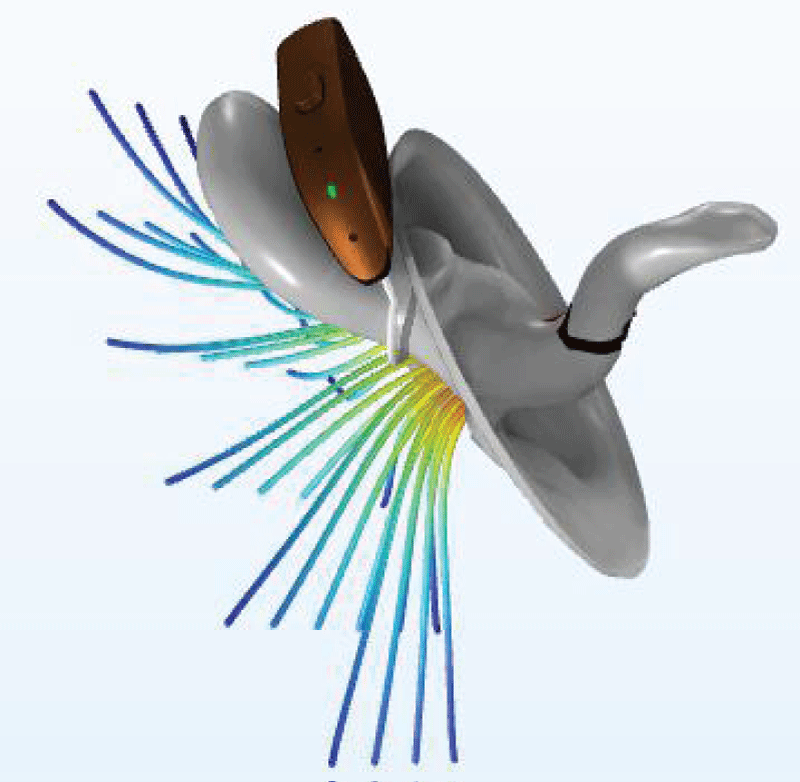
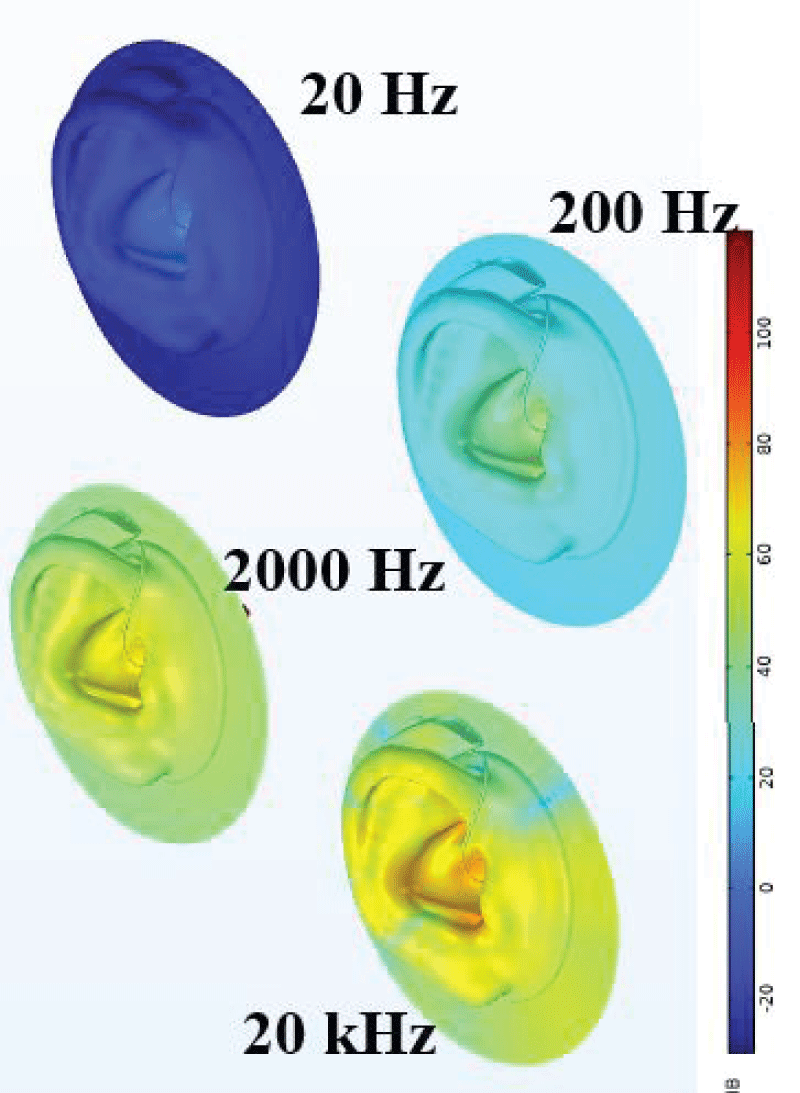
This paper presents a high-fidelity multiphysics numerical framework for simulating the acoustic performance of circumaural headphones coupled to a generic artificial ear, spanning the full audible frequency range from 20 Hz to 20 kHz. The proposed model integrates five essential physical phenomena: (1) pressure acoustics in air domains governed by the frequency-domain wave equation, (2) poroelastic wave propagation in foam cushion materials based on Biot's theory, (3) lumped-parameter electrodynamic driver modeling using Thiele-Small parameters, (4) frequency-dependent impedance characterization of perforated plates and acoustic meshes, and (5) physiological boundary conditions representing human skin and eardrum impedance. The computational domain incorporates a realistic 3D-scanned pinna geometry, an idealized ear canal (7.5 mm diameter, 19.8 mm length), and a headphone housing with internal acoustic chambers. Interior Perforated Plate conditions capture the acoustic resistance and mass effects of ventilation meshes, while Perfectly Matched Layers (PMLs) ensure artifact-free free-field radiation. Key findings reveal the frequency-dependent acoustic coupling mechanisms, demonstrating that the foam cushion acts as a low-pass filter at frequencies below 200 Hz, while perforated plates dominate the mid-to-high frequency response (200-2000 Hz and 2-20 kHz, respectively). The ear canal resonance at 3-4 kHz is successfully captured, with the coarse mesh model (28 GB RAM) showing excellent agreement with the fine mesh reference (100 GB RAM) up to 5 kHz, beyond which mesh resolution becomes critical. The study provides quantitative validation of SPL distribution on the pinna surface and at the eardrum, offering actionable insights for headphone design optimization. Computational trade-offs between accuracy and resource requirements are systematically evaluated, with recommendations for mesh sizing, solver configuration, and PML implementation. The validated framework establishes a robust digital twin methodology for virtual prototyping, parametric studies, and performance prediction in the audio industry.
数字

参考文献

    1. Allard JF, Atalla N. Propagation of sound in porous media: Modeling sound absorbing materials. 2nd ed. Hoboken (NJ): Wiley; 2009.
    2. Attenborough K. Richard Raspet's legacy in porous media and thermoacoustics. J Acoust Soc Am. 2025;157(4). doi:10.1121/10.0037892
    3. Jamalabadi MYA. Effects of micro and macro scale viscous dissipations with heat generation and local thermal non‑equilibrium on thermal developing forced convection in saturated porous media. J Porous Media. 2015;18(9):843‑60.
    4. Jamalabadi MYA, Xi J. Optimal design of porous media in solar vapor generators by carbon fiber bundles. Front Heat Mass Transf. 2023;21:65‑79.
    5. Efficient engine encapsulation strategy using poroelastic finite element simulation. SAE Tech Pap. 2024;2024‑01‑2957. doi:10.4271/2024-01-2957
    6. Fritsch T. Investigation into the numerical simulation of headphones. In: Proc DAS‑DAGA. 2025.
    7. Kim M, Kook J, Andersen PR, Lee I. An automated framework for material property calibration in loudspeaker simulation model. Adv Eng Softw. 2025;197:103748. doi:10.1016/j.advengsoft.2024.103748
    8. Jamalabadi MYA. Navigating the nano‑labyrinth: Reduced‑order modeling of porous media for next‑gen filtration. Preprints. 2026. doi:10.20944/preprints202602.1534.v1
    9. Val Quintans Kulakauskas L, Aage N, Panagiotopoulos D, Deckers E. Coupled FEM‑BEM‑LPM framework for 3D vibro‑acoustic modelling of a loudspeaker driver with model order reduction. In: Proc DAGA. 2026. p.1054‑7.
    10. Feng X, Laly Z, Atalla N. New experimental and theoretical methods to model perforated plate in the presence of grazing airflow. Noise Control Eng J. 2025;73(3):369. doi:10.3397/1/377328
    11. Fu Y, Zhang Q, Hong Z, Zhang G, Wang X. Implementation of broadband acoustic impedance for locally and non‑locally reacting perforated plate liners in a time‑domain boundary element method. Appl Acoust. 2026;111238. doi:10.1016/j.apacoust.2026.111238
    12. Humbert SC. Acoustic reactance of perforated plates with bias flow and two high‑amplitude harmonic excitations. J Sound Vib. 2026;622. In press.
    13. Heo YH, Ih JG. Acoustic simulation of mobile phone coupled to artificial ear. Appl Acoust. 2014;76:162‑8. doi:10.1016/j.apacoust.2013.08.009
    14. Luan Y, Sgard F. A transfer matrix model of the IEC 60318‑4 ear simulator: Application to the simulation of earplug insertion loss. Acta Acust United Acust. 2019;105(6):1258‑68.
    15. Moradi Y, Bustillo J, Haumesser L, Lethiecq M, Chikh K. Inverse problem solving for a porous acoustical multilayered system based on the transfer matrix approach. Acoustics. 2025;7(4):79. doi:10.3390/acoustics7040079
    16. Poldy CA. Headphones. In: Borwick J, editor. Loudspeaker and headphone handbook. 3rd ed. Oxford: Focal Press; 2001.
    17. Kim YY, Kim JS, Kang YJ, Lee JS. Topology optimization of poroelastic acoustic foams for absorption coefficient maximization. Proc Korean Soc Noise Vib Eng. 2006.
    18. Li Z, Wang J, Zhang Z, Huang Q. Topology optimization of porous materials for maximizing sound absorption with compliance regularization to eliminate islanding topologies. Mater Today Commun. 2025;113250. doi:10.1016/j.mtcomm.2025.113250
    19. Zhang Y, Ling Y, Zheng J, Chen Z, Fang J. Structural optimization of Fibonacci micro‑perforated plate broadband absorber by artificial neural networks. Acta Acust. 2025;50(6):1445‑54. doi:10.12395/0371-0025.2025267
    20. Sound absorption performance of sustainable foam materials: Application of analytical and numerical tools for the optimization of forecasting models. Appl Acoust. 2020;107166. doi:10.1260/1351-010X.19.4.283
    21. Bova W, Nijman E, Polanz M, Mundo D. Design of a slow sound based meta‑poro‑elastic material with enhanced absorption capabilities. J Sound Vib. 2025;613:119137. doi:10.1016/j.jsv.2024.118855
    22. Song G, et al. Modeling and optimizing a broadband sound absorber consisting of a granular activated carbon stack backed by a poro‑elastic layer. Noise Control Eng J. 2024;72(5). doi:10.3397/1/377230
    23. Jamalabadi MYA. A conservative numerical framework for modeling nonlinear ultrasound propagation in thermo‑viscous tissue phantom. Mathews J Surg. 2025;8(2):41. doi:10.30654/MJS.10041
    24. Jamalabadi MYA. Frequency analysis and control of sloshing coupled by elastic walls and foundation with smoothed particle hydrodynamics method. J Sound Vib. 2020;476:115310. doi:10.1016/j.jsv.2020.115310
    25. Khatami I, Jamalabadi MYA. Optimal design of microphone array in a planar circular configuration by genetic algorithm enhanced beamforming. J Therm Anal Calorim. 2020;145(4):1817‑25. doi:10.1007/s10973-020-09994-0
    26. Jamalabadi MYA, Kwak MK. Dynamic modeling of a galloping structure equipped with piezoelectric wafers and energy harvesting. Noise Control Eng J. 2019;67(3):142‑54. doi:10.3397/1/376713
    27. Jamalabadi MYA, Shadloo MS, Karimipour A. Maximum obtainable energy harvesting power from galloping‑based piezoelectrics. Math Probl Eng. 2020;2020:1‑8. doi:10.1155/2020/6140853
    28. Jamalabadi MYA. Acoustic‑magnetic synergy for olfactory drug delivery to the brain. Mathews J Pharm Sci. Forthcoming 2026.
    29. Jamalabadi MYA, Xi J. Olfactory drug aerosol delivery with acoustic radiation. Biomedicines. 2022;10(6):1347. doi:10.3390/biomedicines10061347
    30. Bruschi V, Grossi L, Dourou NA, Quattrini A, Vancheri A, Leidi T, Cecchi S. A review on head‑related transfer function generation for spatial audio. Appl Sci. 2024;14(23):11242. doi:10.3390/app142311242
    31. Li Z, Wang J, Huang Y, Zhang Z, Huang Q. A unified porous model integrating Biot theory for sound absorption design and optimization of perforated‑porous composite structures. Mater Today Commun. 2025;112965. doi:10.1016/j.mtcomm.2025.112965
    32. Gazzola C, Corigliano A, Zega V. Total harmonic distortion estimation in piezoelectric micro‑electro‑mechanical‑system loudspeakers via a FEM‑assisted reduced‑order‑model. Mech Syst Signal Process. 2025;111762. doi:10.1016/j.ymssp.2024.111762
    33. Shaw EAG, Teranishi R. Sound pressure generated in an external‑ear replica and real human ears by a nearby point source. J Acoust Soc Am. 1968;44(1):240‑9. doi:10.1121/1.1911052
    34. Rosowski JJ. The effects of external‑ and middle‑ear filtering on auditory threshold and noise‑induced hearing loss. J Acoust Soc Am. 1991;90(1):124‑35. doi:10.1121/1.401306
    35. Zwislocki J. Analysis of the middle‑ear function. Part I: Input impedance. J Acoust Soc Am. 1962;34(9B):1514‑23. doi:10.1121/1.1918382
    36. Rosowski JJ. Outer and middle ears. In: Springer handbook of auditory research. New York: Springer; 1994. p.172‑247. doi:10.1007/978-1-4612-2700-7_6
    37. Puria S, Allen JB. A parametric study of cochlear input impedance. J Acoust Soc Am. 1991;89(1):287‑309. doi:10.1121/1.400675
    38. International Electrotechnical Commission. IEC 60318‑4: Electroacoustics – Simulators of human head and ear – Part 4: Occluded‑ear simulator for the measurement of earphones coupled to the ear by means of ear inserts. Geneva (CH): IEC; 2014.
    39. Welti T, Devantier A. Headphone sound quality: The importance of proper measurement and equalization. Audio Eng Soc Conv Pap. 2014;9155.

類似の記事

Levetiracetam-induced Rhabdomyolysis - A Rare Complication
Ayisha Farooq Khan, Naeemuddin Shaikh, Faryal Abdy and Dureshahwar Kanwar
DOI10.61927/igmin228
Sensor-based Sorting using De-XRT Sensor Applied to a Greenfield Copper Ore Project in Southern Brazil
Evandro Gomes dos Santos, Irineu Antônio Schadach de Brum and Wesley Monteiro Ambrós
DOI10.61927/igmin299
Evaluating Digital Imaging Technologies for Anogenital Injury Documentation in Sexual Assault Cases
Jon Giolitti, Abbigail Behmlander, Sydney Brief, Emma Dixon, Sydney Hudock, Linda Rossman, Stephanie Solis, Meredith Busman, Lisa Ambrose, Lindsey Ouellette and Jeffrey Jones
DOI10.61927/igmin246
Dimensioning of Splices Using the Magnetic System
Ryszard Błażej, Leszek Jurdziak, Agata Kirjanów-Błażej, Paweł Kostrzewa and Aleksandra Rzeszowska
DOI10.61927/igmin204

Why publish with us?

  • Global Visibility – Indexed in major databases

  • Fast Peer Review – Decision within 14–21 days

  • Open Access – Maximize readership and citation

  • Multidisciplinary Scope – Biology, Medicine and Engineering

  • Editorial Board Excellence – Global experts involved

  • University Library Indexing – Via OCLC

  • Permanent Archiving – CrossRef DOI

  • APC – Affordable APCs with discounts

  • Citation – High Citation Potential

Submit Your Article

Advertisement